


In contemporary architecture and design, the use of durable, sustainable and visually impressive materials is increasingly valued. Wood burned using the Japanese Yakisugi technique stands out as an ideal option for facades and cladding.
This traditional method chars the surface of the wood with fire, creating a natural protective layer that improves its resistance to weather, humidity and insects. The result? An elegant finish with a natural charm that does not go unnoticed. Furthermore, as it does not require chemical products, the Yakisugi treatment is considered an ecological solution, perfect for modern projects committed to the environment.
In this article we show you three types of wood compatible with this technique (Fir, Larch and Heat-treated wood) so that you can choose the best option according to the climate, budget and final use: facade, fences, terrace or interior.
1- Yakisugi Fir Wood
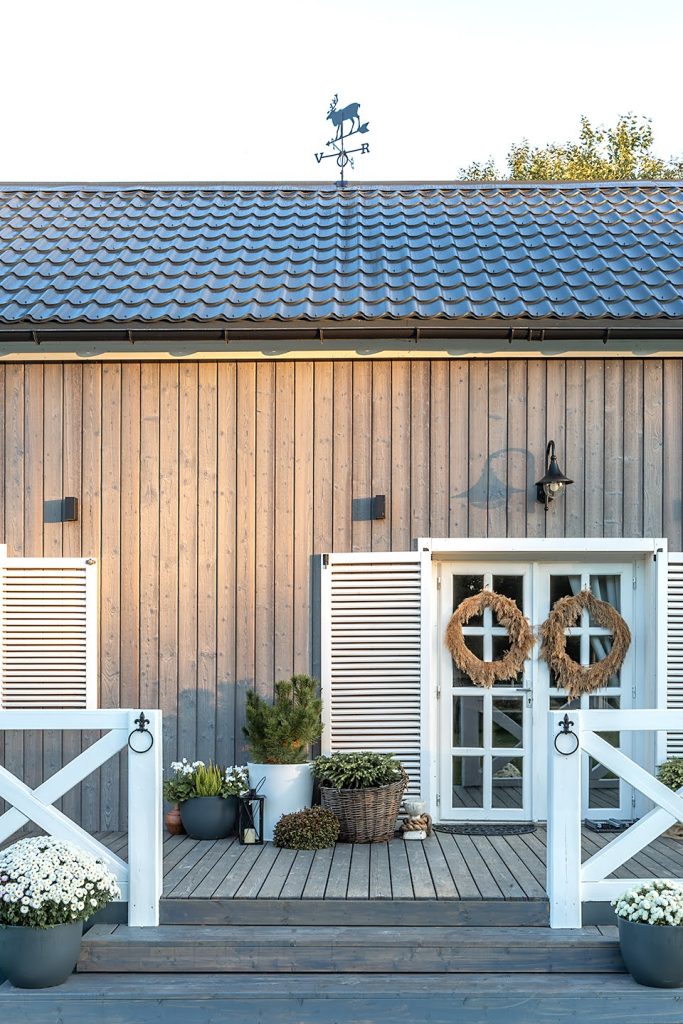
Fir (Pinaceae family) is a light, easy-to-work soft wood, very common in construction. In its natural state, it has a low-medium density (~400-450 kg/m³) and light-colored veins with pronounced knots.
When Yakisugi is applied, the fir retains its low density (which makes handling and installation easier) but gains resistance to the elements thanks to the charred layer that acts as a protective barrier. Now, despite charring, it is important to remember that spruce has moderate dimensional stability: like most conifers, it can experience contraction or expansion with changes in humidity. The burnt layer reduces water absorption to some extent, but the wood core is still relatively soft. Compared to denser options, Yakisugi spruce has lower stability (it tends to move a little more with moisture than Larch or heat-treated).
Its main advantage is the price: it is the most economical option of the three. It is easy to install and lightweight.
Fir wood is less resistant to weathering and is still a soft wood. It is not recommended for floors, terraces or high traffic areas. In very humid climates, it requires frequent maintenance. It may also require more joints if the boards are short, increasing the risk of leaks.
Yakisugi fir is ideal for vertical cladding and decorative elements in projects where its low density does not represent a problem. It works especially well on facades located in temperate or dry climates, such as single-family homes or enclosures in areas of moderate humidity.
Madrid has high solar radiation, prolonged summers with temperatures above 35 °C, low relative humidity and thermal oscillations between day and night.
The carbon layer absorbs much of the UV radiation before it reaches the structural wood, significantly reducing photodegradation. In addition, charcoal is dimensionally stable, reduces the sensitivity of the surface to changes in humidity and protects the wood against the repeated heating and cooling cycles characteristic of the Madrid climate.
The Fir offers a uniform and elegant aesthetic, with an excellent quality-price ratio. It is an ideal solution for north orientations or protected facades where direct radiation is limited and thermal demands are lower.
2- Yakisugi Larch Wood
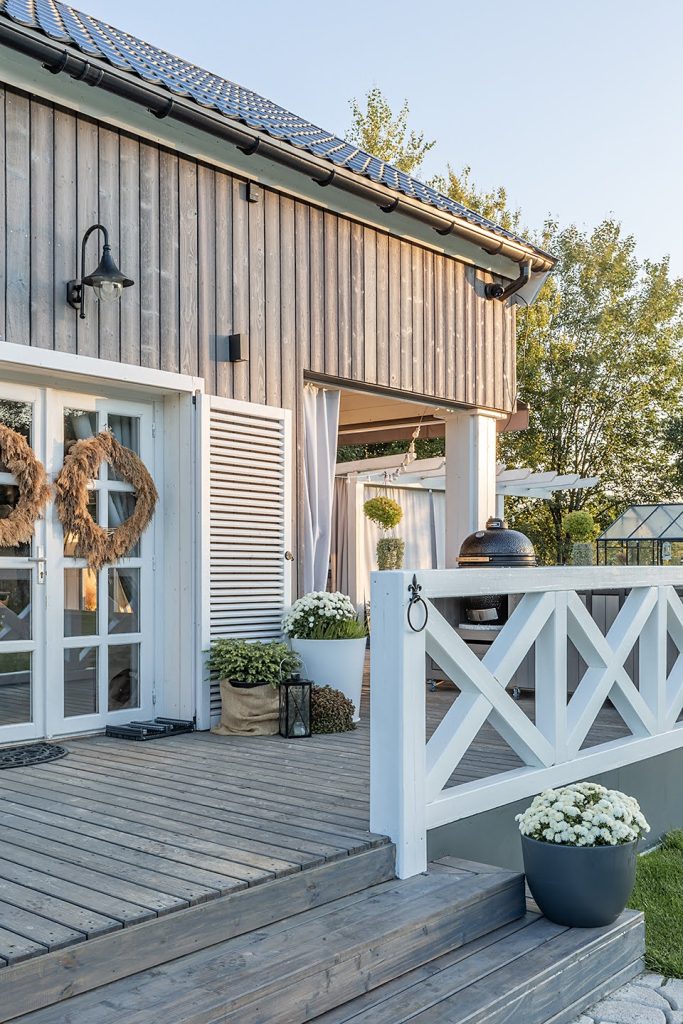
Larch, mainly from cold regions such as Siberia or northern Europe, is a high-density conifer (550–650 kg/m³), with marked grains and a natural resin content that gives it resistance to humidity. In fact, larch has a reputation as “wood that does not twist” when it is well dried: it is relatively stable. Being a harder wood than fir, it offers greater dimensional stability, better supporting changes in temperature and humidity without deforming.
When Yakisugi is applied to Larch, its natural solidity is combined with the benefits of carbonization: the burnt layer seals the pores, volatilizes water-sensitive compounds and further improves its weather behavior. The result is an extremely stable wood, ideal for demanding outdoors. Its low thermal conductivity (0.13 W/m·K) also makes it suitable for cold climates, with good insulation.
Compared to other woods such as spruce or even some tropical woods, Yakisugi larch stands out for its superior durability. In itself it is already class 3, but with the charred layer it reaches class 2, being resistant to fungi, termites and climatic agents for decades.
Its greatest practical advantage is resistance to humidity: traditionally, larch was used in shipbuilding and in structures exposed to water such as bridges or piles, thanks to its great resistance to extreme humidity. Today, its use in Yakisugi makes it an ideal choice for rainy, mountainous or coastal climates, where other woods fail. It is used successfully on terraces, walkways and ventilated facades, where it maintains firmness and shape over time.
The main limitation of Yakisugi larch is its price. Especially in its slow-growing Siberian version, it can cost 1.5 to 2 times more than spruce, due to its higher yield. Furthermore, due to its high density and resin content, it requires careful drying to avoid cracks or deformation, which requires obtaining it from specialized suppliers.
Yakisugi Larch is one of the best choices for high-performance exterior applications. Its natural resistance makes it ideal for long-life, low-maintenance facades, even in demanding environments such as coastal areas, humid forests or high mountain regions. It is also recommended for pergolas, trellises or slats exposed to the sun and rain, as it maintains its shape and aesthetics over time.
Thanks to its effectiveness against insects and humidity, it is also an excellent choice for garden elements such as benches, fences or planters. Ultimately, burnt larch represents the premium option for Yakisugi: a solid investment for projects seeking beauty, low maintenance, longevity and a sophisticated finish.
3-Thermowood
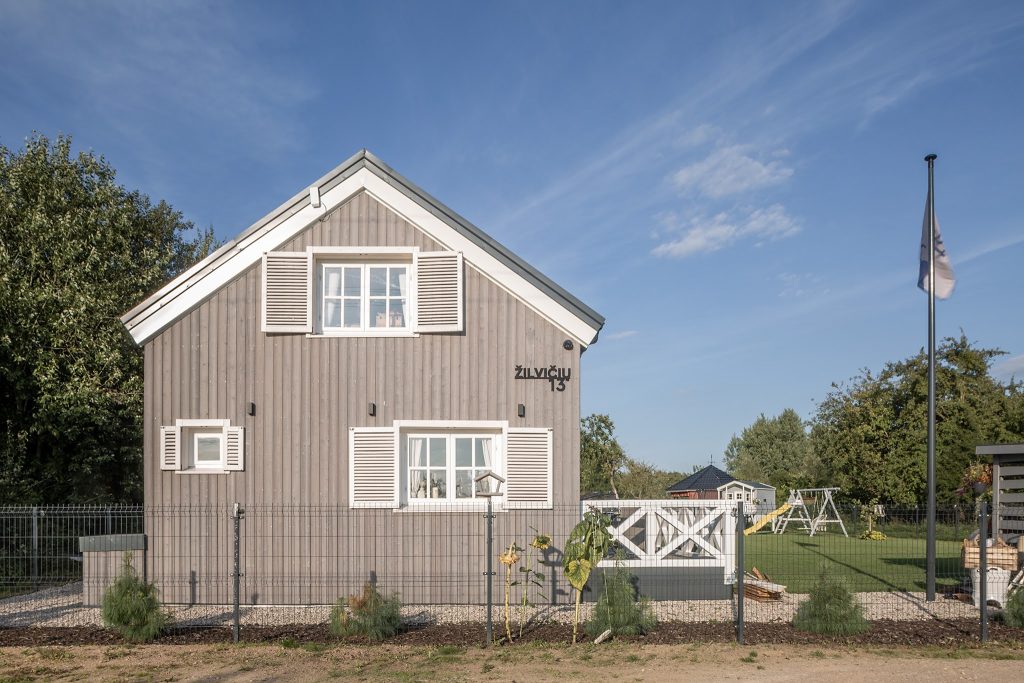
Heat-treated wood, known commercially as Thermowood, is wood modified through a chemical-free heat and steam process. Basically, the wood is “cooked” at high temperatures (around 212 ºC) in the absence of oxygen, altering its internal composition, reducing its humidity to only 4–7%. The result is a darker wood, very stable against changes in climate, with great resistance to rot and without resin.
Its advantages are numerous: it combines high stability, durability and low weight. It adapts to all types of climate, does not require constant maintenance and is environmentally friendly, as it extends the useful life of fast-growing woods without the need for chemicals. Additionally, thermal modification affects the entire piece (not just the surface), so even if it is cut or planed, the interior retains uniform properties and color. This allows for a flawless finish even on machined parts. Its surface, after being brushed, is smooth and free of sticky resins, ideal for both humid exteriors and interiors such as bathrooms, spas or saunas.
In short, carbonized heat-treated wood is the high-performance material par excellence: an investment that provides longevity, stability and beauty, without the traditional drawbacks of exterior wood.
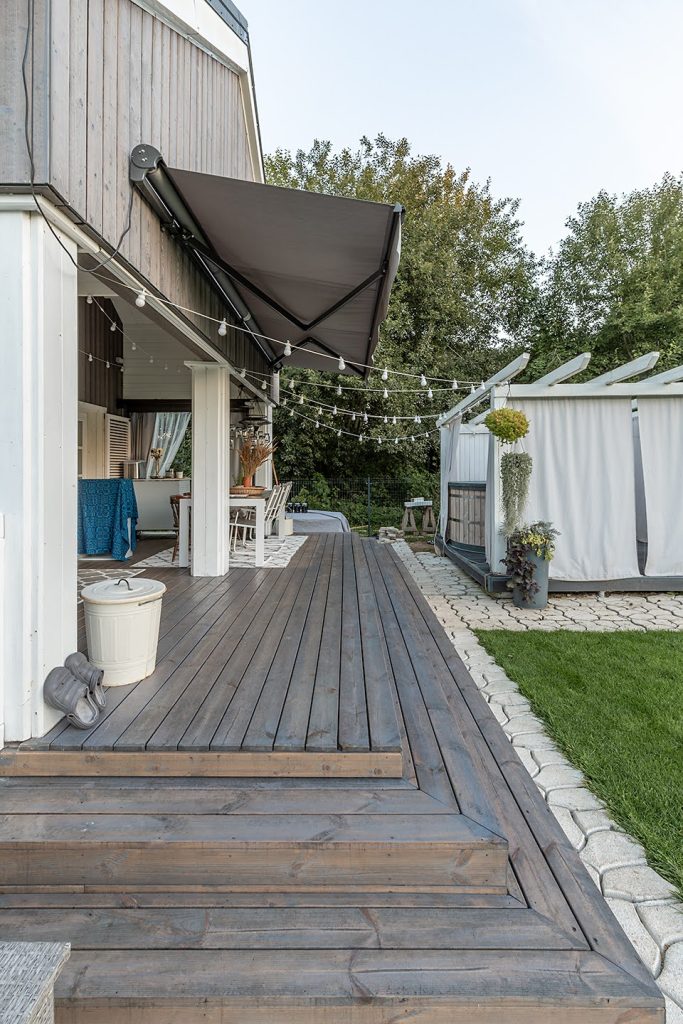
Ultimately, there is no single answer to which wood is best: spruce, larch, or heat-treated may be ideal depending on the project. If you are looking for economy and lightness for a decorative covering with regular maintenance, charred spruce does the job. For a compromise between natural beauty and robust resilience, Yakisugi Larch excels, especially in demanding outdoors where your investment translates into longevity. And if the priority is maximizing technical performance with minimal care, Yakisugi heat-treated wood will give you peace of mind for decades, being perfect for modern and sustainable designs.
The best choice depends on your project. Contact us if you need help choosing the ideal wood. At Zenwood we are experts in burned wood: we can advise you according to your climate, budget and application so that your facade, floor or interior space looks spectacular and lasts over time. We are here to help you realize your vision with the perfect Yakisugi wood!
Quick selection guide
- North-facing: Spruce Yakisugi.
- East- or west-facing: Larch Yakisugi.
- South-facing or extreme exposure: Thermo-D Yakisugi.
In the climatic conditions of Madrid, all species benefit from the protection of the Carbon Shield, but the appropriate choice of wood allows the durability, stability and aesthetic behavior of the façade to be optimized in the long term.