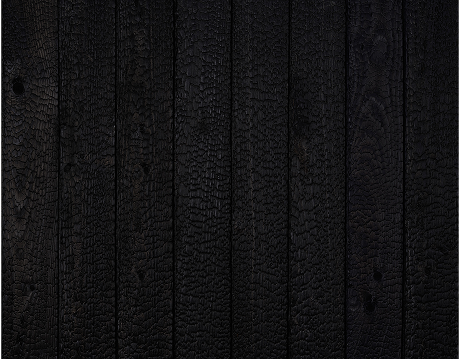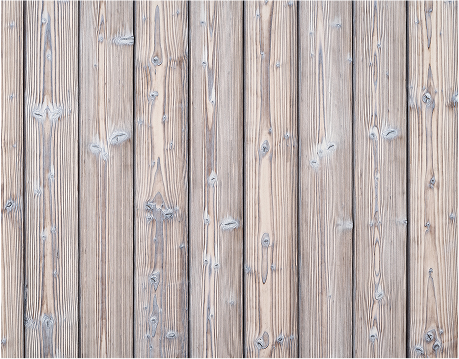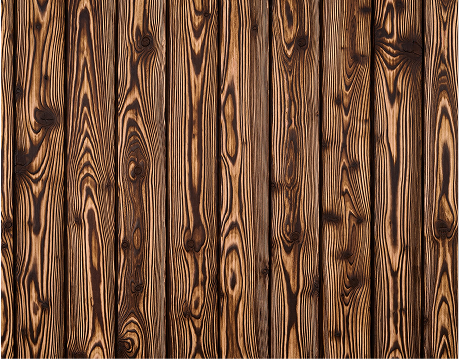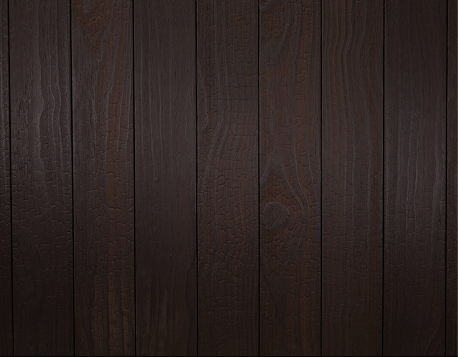
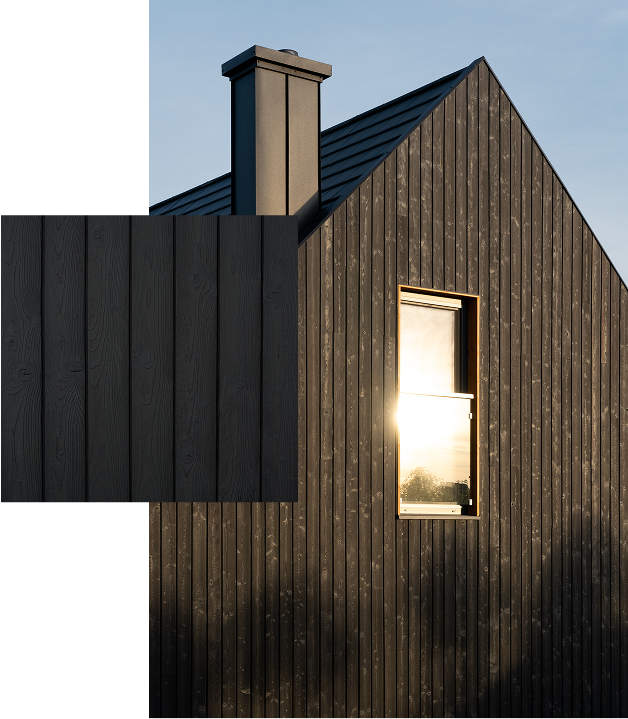

Charred Wood

A millennia-old tradition for the architecture of the future

Why
Zenwood?

At Zenwood, we bring the ancestral charred-wood technique into contemporary architecture. More than a material, we offer an innovative solution for architects seeking design quality, durability and sustainability in every detail.

We combine Japanese craftsmanship with technological efficiency to create façades, fences, terraces and interior cladding with a refined aesthetic and exceptional durability.

Make your next project stand out with the authenticity of Yakisugi charred wood.

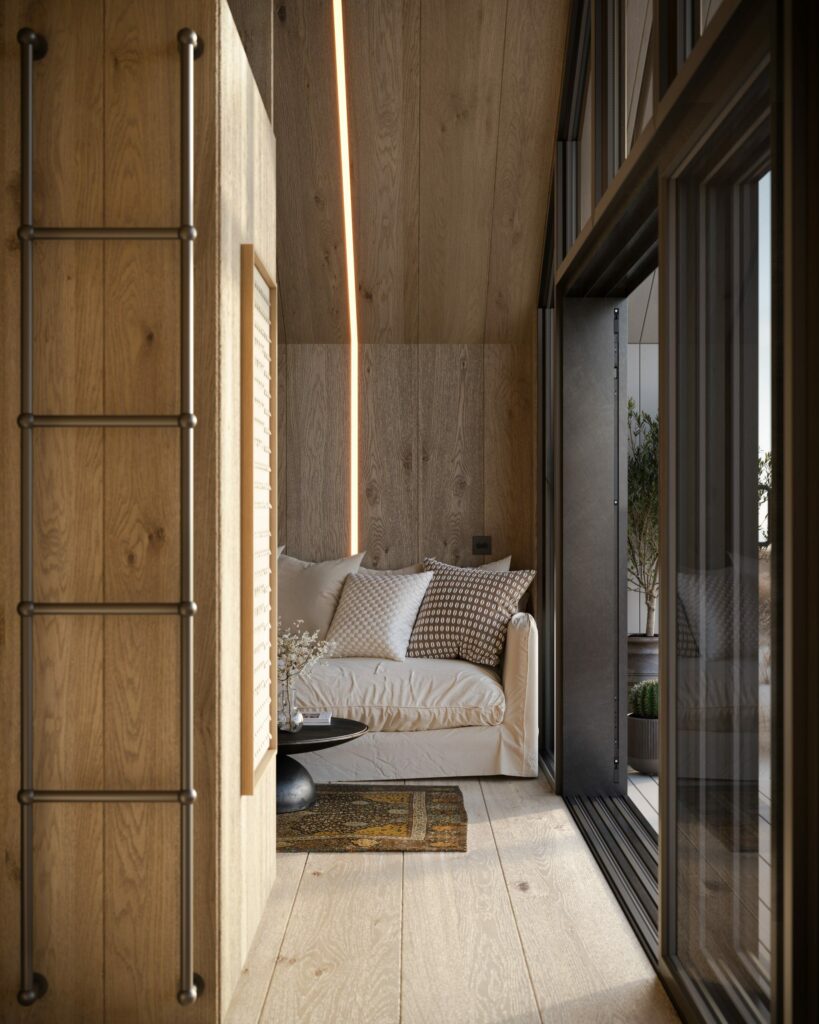
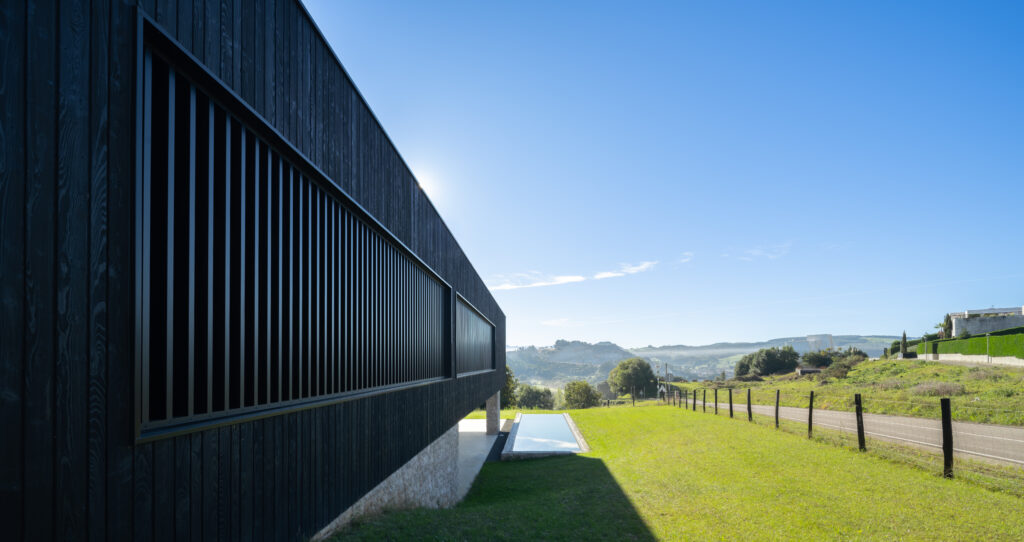
Casa Madera Quemada

The enduring value of charred wood, expressed in every detail

zenwood

Elegance

The elegance of our charred wood transforms spaces with a distinctive, refined character.

zenwood

Made to measure

We design bespoke charred-wood solutions.

zenwood

Sustainable

Our technique highlights the natural beauty of wood while respecting the environment and its character.

zenwood

Extensive range

We offer a broad range of charred-wood products for façades, terraces and interior applications.
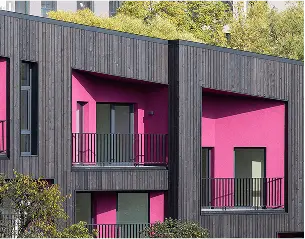
Yakisugi applications

Wood species

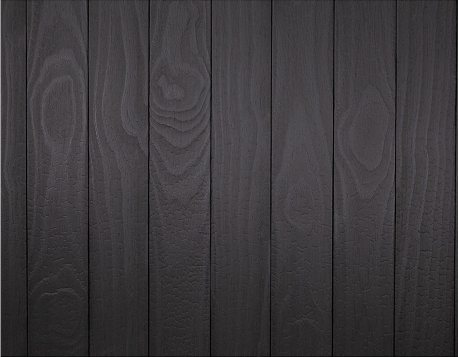
Pine

zenwood

Spruce

zenwood

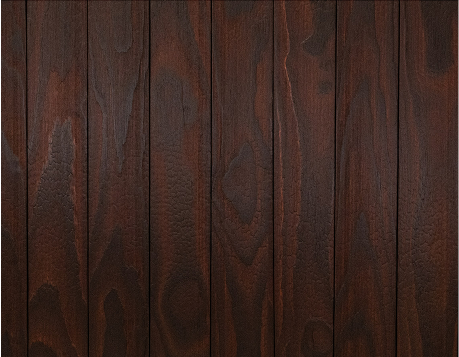
Termo-D

zenwood

Larch

madera yakisugi acabado amber

Exclusive collection for distinctive projects

Pinus

pinus madera quemada

Ash

fresno madera quemada

Accoya

accoy madera quemada

Japanese Yakisugi Cedar

Cedro Yakisugi Japonés​ madera quemada

Fire and charred wood: an alliance for visionary architects.

Discover the Zenwood experience

What our
customers say

Blog

Yakisugi by Zenwood for modular buildings

La casa dispone de unos amplios ventanales por lo que la luz atraviesa directamente

Yakisugi cladding for industrialised homes

Good architecture is not only seen; it is also breathed.

Time for terraces

Frequently asked questions

ABOUT THE PRODUCT

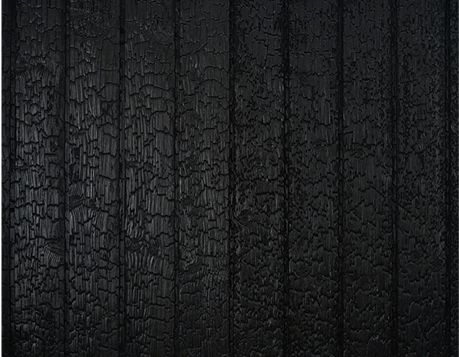
Yakisugi, also called Shou Sugi Ban, is a Japanese technique that chars
the surface of the wood in a controlled way to create a protective layer
naturally. This improves durability and resistance to moisture, UV rays, insects
and fungi, while creating a distinctive finish.

Yes. Shou Sugi Ban is the name commonly used in the West; in Japan, the term is Yakisugi.
Both refer to charred wood for exterior and interior applications.

We follow the traditional method:
1. Charring: controlled burning that forms the protective layer.
2. Brushing: cleaning or smoothing depending on the finish.
3. Oiling with natural oils: fixes the colour and improves durability

Pine/spruce, larch, Thermo-D and Accoya in brushed or unbrushed finishes.
We also offer an exclusive collection of premium woods; please ask about
availability.

It depends on the climate and application:
● Thermo-D Yakisugi: highly stable in climates with sharp changes in
temperature.
● Larch Yakisugi: highly moisture-resistant and historically used in
shipbuilding.
● Pine/spruce Yakisugi: an excellent strength-to-weight ratio in dry or
temperate climates.
● Accoya Yakisugi: maximum durability.

With minimal maintenance (removing dust and re-oiling with natural oils if you
want to preserve the colour), Yakisugi offers a service life of 50–100 years. Its colour
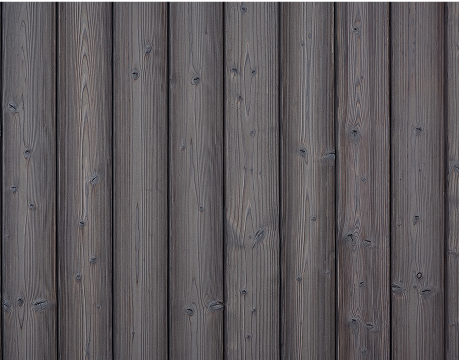
naturally evolves towards grey or brown tones depending on orientation and exposure.

Yes. It is safe, non-toxic and free from smoke odour after oiling with natural
oils. It is ideal for walls, ceilings and decorative elements.

Our finishes achieve D-s2,d0 under European standards. The final classification
depends on the finish, the complete facade system and the project.

● Thickness: 20 mm (facades) and 28 mm (terraces).
● Widths: 95, 120 and 145 mm.
● Lengths:
○ Larch: 3, 4, 5 and 6 m (fixed lengths).
○ Pine/spruce and Thermo-D: 3–6 m in 30 cm increments.
○ Accoya: subject to availability.

APPLICATIONS

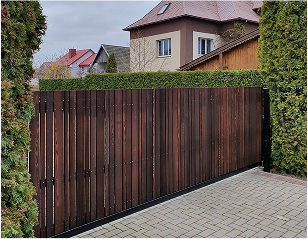
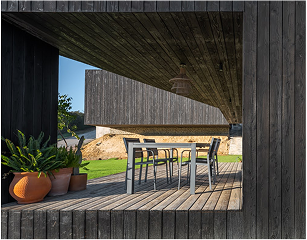
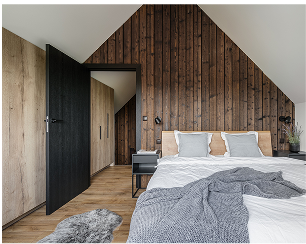
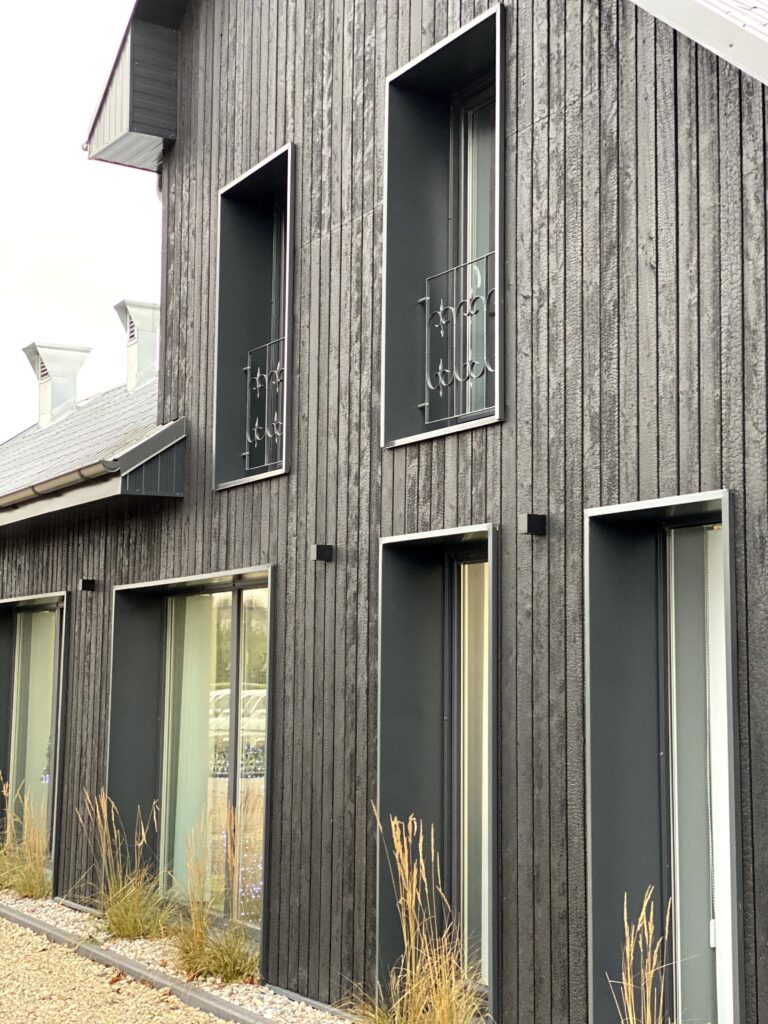
On facades, terraces, fences, interior cladding and custom projects.

Yes, especially with brushed finishes. Oiling with natural oils helps
preserve texture and colour. Near a swimming pool, ask for the recommended
brushing specification.

Yes. It is an excellent solution for exterior fences: larch and thermally modified wood
offer the best resistance to moisture and decay; pine/spruce performs very
well in dry or temperate climates. For marine areas or premium projects,
Accoya provides maximum durability (subject to availability).

INSTALLATION AND MAINTENANCE

Like any solid exterior cladding: on a ventilated facade, with fixings
that remain visible and accessible. Installation can be horizontal, vertical or diagonal.

A2 or A4 stainless-steel screws or nails. Battens at 40–60 cm centres and 2 fixings per
support.

Natural oil fixes soot in deep-char finishes, stabilises the colour and
extends UV protection.

Yes, provided it is installed on a ventilated facade and follows the
recommendations of the selected fixing system. For
thermally modified wood (Thermo-D), this method is particularly suitable.

● South-facing facades: 5–10 years
● Fences: 3–8 years
● Terraces: 1–3 years
If natural ageing (a grey/brown patina) is accepted, re-oiling is
optional.

After installation and cleaning with water, natural-oil treatment prevents
significant residue in normal use.

Yes, we can apply a fire-retardant treatment for projects that
require it, in accordance with current regulations. With this treatment, the wood
may achieve B-s1,d0 under European standards. The final classification
will depend on the complete facade system and the materials used.

COMMERCIAL

20 m² per reference (per width/thickness).

Yes, throughout Europe. Outside the EU, please ask about conditions and lead times.

Yes, provided they are compatible with Yakisugi. Ask us about profile,
brushing and colour options.

Email hola@zenwood.es or complete the contact form. We update
prices every quarter.

SUSTAINABILITY

Yes. We hold FSC™, CE, EPD verified and ISO 9001 / 14001 / 45001.
Sourced from responsibly managed forests.

No. Only fire, brushing and oiling with natural oils, avoiding harmful
chemicals.

Yes. We work with European suppliers and optimised logistics to reduce
emissions.