

OPTIONAL, BUT IMPORTANT FOR RETAINING THE NATURAL APPEARANCE
Applying oil or a finish to Yakisugi wood is optional, but doing so helps preserve its natural beauty and reinforce protection from sun and rain, maintaining its colour and texture.
It is an aesthetic rather than technical decision that defines how your facade will evolve over time.
Japanese charred wood is already protected by fire and valued for its durability and low maintenance. Yakisugi wood oil nevertheless enhances its colour, stabilises the surface, protects against UV rays and preserves visual consistency for years.
If you are considering Yakisugi for exterior use, we also recommend reading: 3 types of Yakisugi charred wood: spruce, larch and Thermo-D , a complete guide to the differences in performance, appearance and durability among the three options offered by Zenwood.
NATURAL PROTECTION THROUGH FIRE
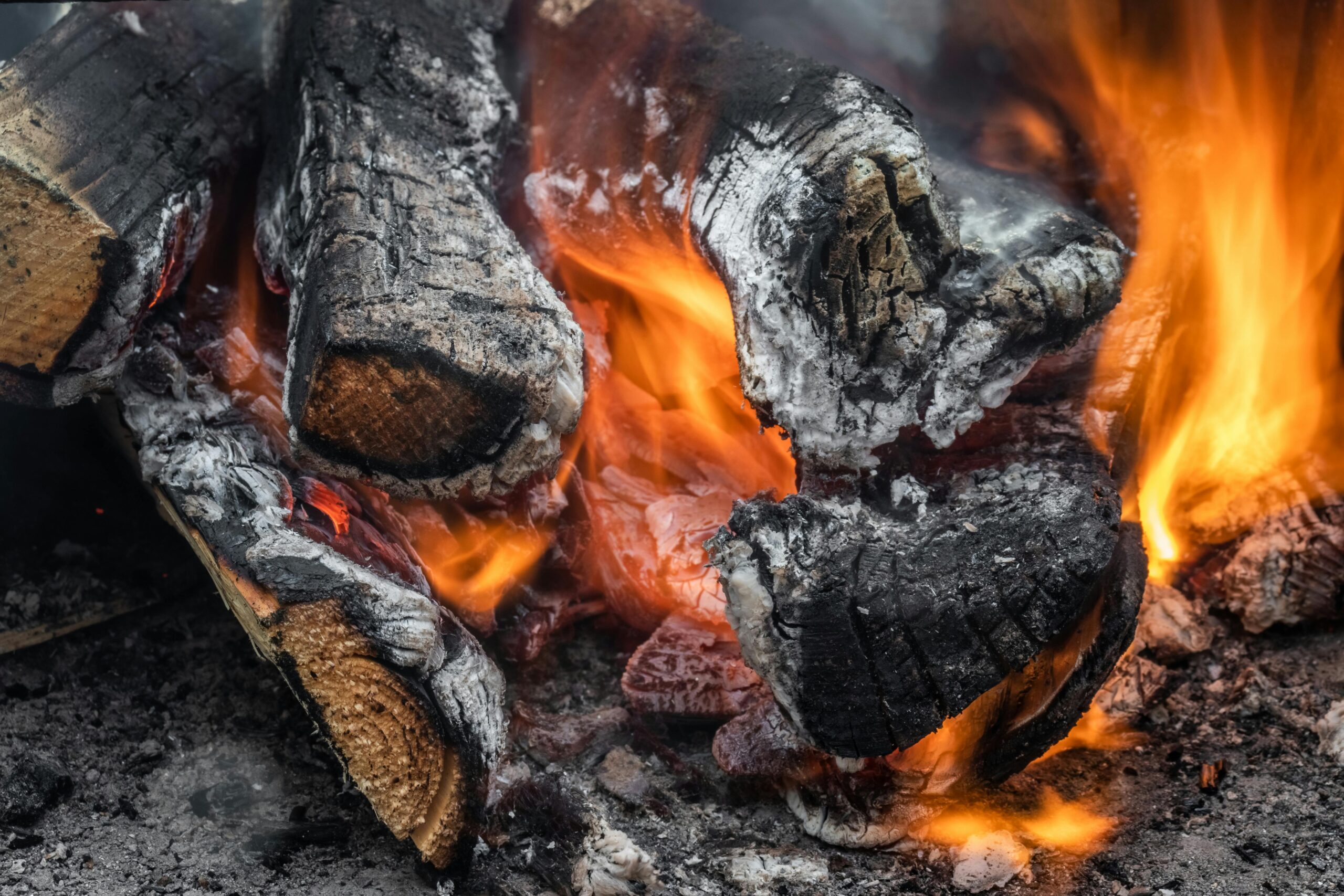
The charred surface Yakisugi is obtained by exposing the wood surface to high temperatures, creating a charred layer that acts as a shield against moisture, insects and UV rays.
This dark, dense and stable layer provides the exceptional durability associated with Zenwood.
On its own, it already provides strong resistance. Over time, however, the wood may lighten slightly or release small carbon particles, especially in areas exposed to sun and rain.
WHY APPLY OIL
It helps control visual evolution and preserve the intensity of the original colour.
Its main benefits include:
- Colour enhancement: deep black or the natural nuances of each finish.
- UV protection: slows the lightening caused by solar exposure.
- Surface stabilisation: fixes charred particles and helps prevent staining or transfer.
- Design customisation: allows amber, brown or grey tones to be accentuated according to the selected finish.
At Zenwood, we apply environmentally conscious water-based oils formulated specifically for Yakisugi and selected after years of testing in different climates.
The result is more consistent, responsible and durable protection for sustainable facades and high-quality exterior cladding.
HOW TO APPLY YAKISUGI WOOD OIL STEP BY STEP
- Clean the surface with a soft brush or dry cloth.
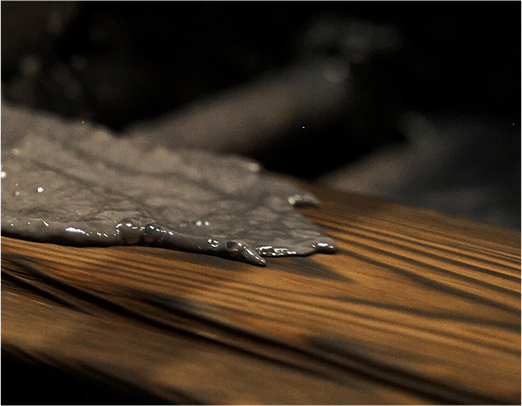
- Apply a thin coat of oil with a brush or cloth, following the grain direction.
- Allow it to dry for 12 to 24 hours before applying a second coat if greater saturation is desired.
- Remove excess oil with a clean cloth to achieve an even finish.
This simple process keeps Yakisugi protected and enhances its texture without affecting its natural breathability.
SIMPLE, OPTIONAL MAINTENANCE
One of Yakisugi’s greatest advantages is its low maintenance.
It requires no sanding, primer or varnish. To preserve the original colour intensity, reapply oil every 4 to 10 years depending on solar exposure and climate.
This restores the wood’s deep tone and water repellency while maintaining its appearance and protection over time.
🔧 Learn more about caring for charred wood in our article: Yakisugi maintenance in Spain.
THE VALUE OF A NATURAL PATINA
Yakisugi can mature gracefully.
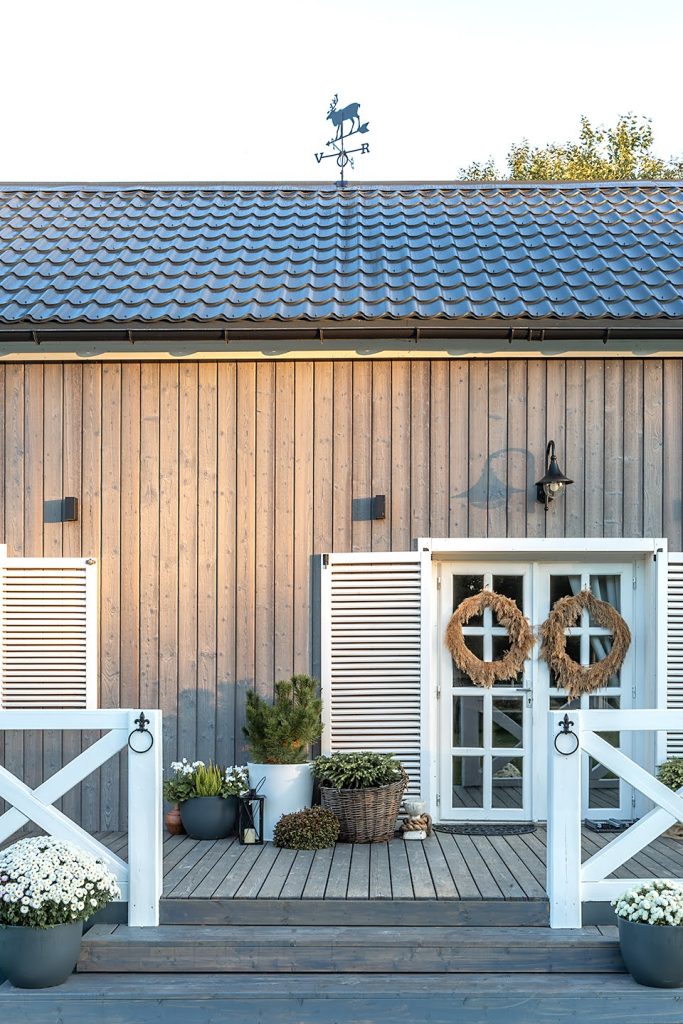
Over the years, the surface develops a soft patina without losing its structure or resistance.
This natural process is part of its character: each facade or cladding surface evolves uniquely, reflecting the passage of time without deterioration.
CONCLUSION
Yakisugi does not need oil to remain resistant, but oil allows you to decide how you want the wood to age.
If you prefer a stable colour and sealed surface, choose a pigmented water-based finish.
If you prefer natural ageing, let time shape the material.
As responsible facade cladding, Yakisugi remains one of the most durable and attractive solutions for modern architecture.
Would you like to see how Yakisugi performs?
Request your free sample set and compare the texture and colour.