

DURABILITY ABOVE ALL
The wood
REALISTIC MAINTENANCE
Wood is exposed to sun, water, sudden temperature changes and even salt in coastal areas. Selecting correctly from the outset makes the difference between a terrace that ages poorly and one that lasts for decades.
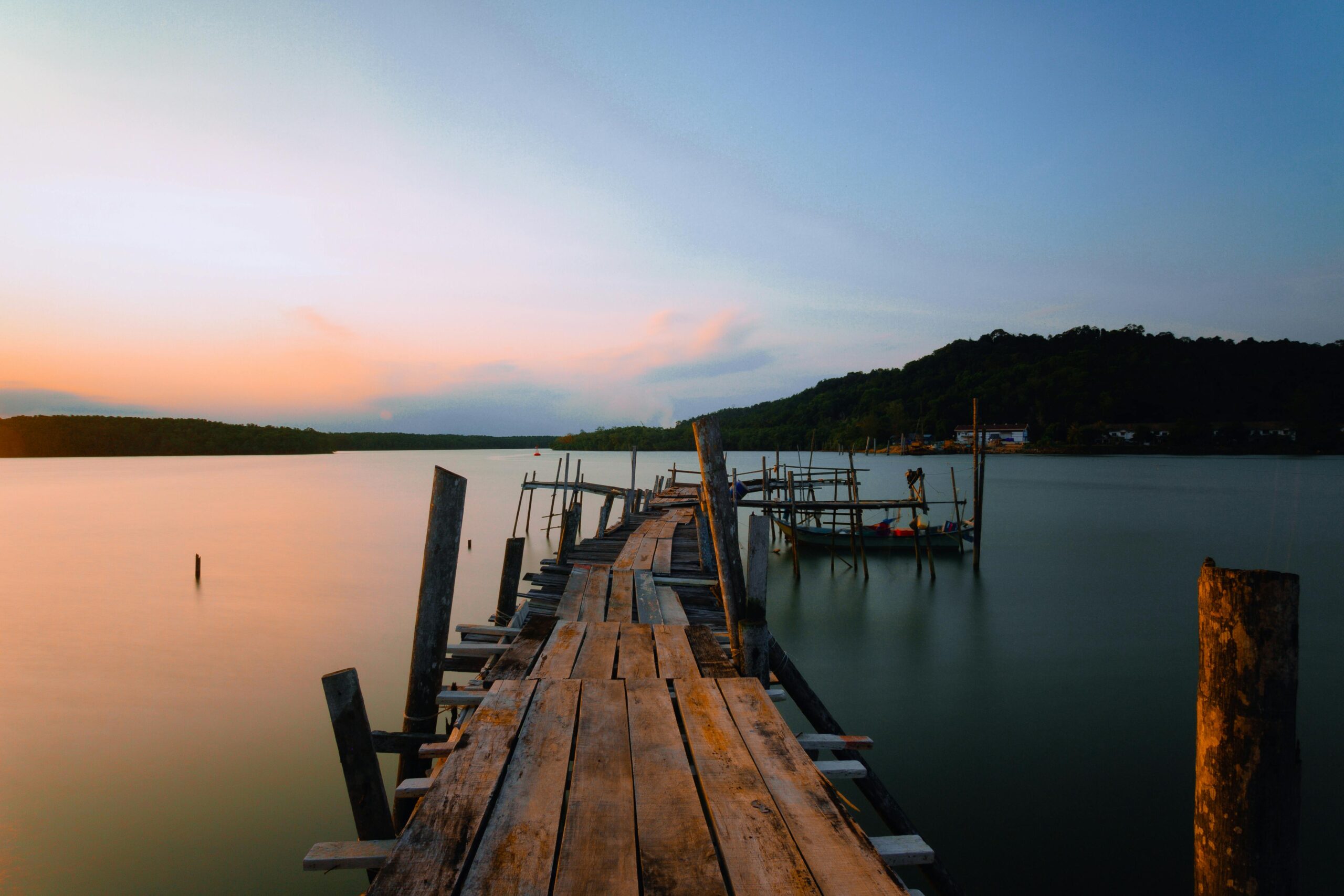
THE REAL-WORLD PROBLEM
The symptoms appear quickly: boards that warp with heat and cold; cracks and splinters in dry climates; mould and algae in humid areas, with a slipping risk; colour loss, loose fixings and noise underfoot.
We hear these stories often. In Galicia, a pine deck may look perfect in the first summer but show mould and deformation in the second. In Castilla, large temperature variations can crack the joints. On the Costa del Sol, intense sun accelerates fading and leaves the surface rough.
WHICH OPTIONS PERFORM WELL?
Several solutions can address these problems:
- The wood timber is produced with heat and steam, without chemicals. The process stabilises the structure and greatly reduces contraction and expansion. It is ideal in climates with temperature variations. Its exterior service life is around 20 to 30 years, with optional maintenance every few years if the colour is to be preserved.
- The charred surface Yakisugi, The Japanese controlled-charring technique, creates a natural protective layer against moisture, UV rays and insects. It can last 50 to 100 years and requires little care. With dark finishes, maintenance intervals may extend to up to 10 years.
- The combination Yakisugi + heat-treated timber offers the best of both worlds: the stability of thermally modified wood and the protection of Yakisugi. The result is a premium, highly stable wood with superior durability in a wide range of climates.
HOW TO CHOOSE FOR THE CLIMATE
In mountain regions or continental interiors with strong temperature variations, thermally modified wood is the safest option.
In humid or salty climates and areas with intense sun, such as the Atlantic and Mediterranean coasts, Yakisugi offers good resistance.
For those seeking maximum assurance in any environment and an exceptional aesthetic, combining both techniques is the most complete solution.
REALISTIC MAINTENANCE
Maintaining a timber terrace does not need to be complicated. Gentle periodic cleaning and inspection after storms or extreme heat are sufficient in most cases.
Oil can be applied according to the wood type: annually for conventional woods, every 2 years for thermally modified wood and every 2–3 years for Yakisugi. A simple water-drop test helps: if the drop is absorbed quickly, it is time to re-oil.
You can also choose not to apply oil and allow the wood to develop natural grey tones. Its resistance will remain intact.
CONCLUSION
Investing in the right wood means creating a terrace that withstands the climate, requires less maintenance and preserves its architectural value for decades.
At Zenwood, we consider how the terrace will age, not only how it looks on the first day.
Pide muestras gratis ahora mismo and discover how Yakisugi can transform your project into a strong, durable and responsible deck.