

The revival of Japanese burnt wood in the design of sustainable façades and terraces
Have you ever heard of the Japanese burnt woodYou're probably wondering what this ancient technique has to do with modern sustainable façade and terrace design. Stay with us and discover how this age-old tradition is revolutionising the construction and design sector.
What is Japanese burnt wood?
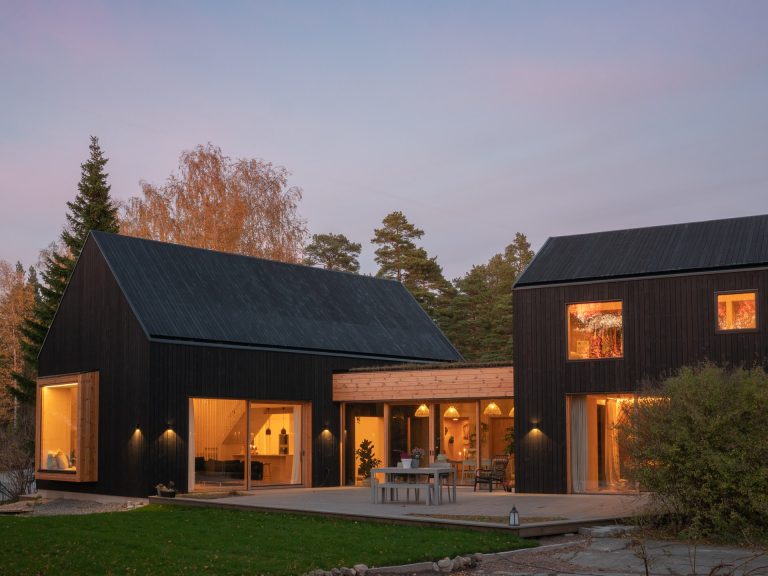
What is Japanese burnt wood? Yakisugi o Shou Sugi Banis a traditional Japanese technique that improves the strength and durability of wood through fire. This carbonisation process not only gives the wood a unique and inimitable appearance, but also makes it resistant to rain, ultraviolet light and insects. However, you may wonder, how does all this relate to sustainability?
Japanese burned wood and sustainability
La sostenibilidad es un aspecto cada vez más relevante in all areas, including construction. And this is where Japanese wood burning shines. By using high-tech machinery, it is possible to produce burned wood in large quantities in a short time, without resorting to harmful chemical processes.
Furthermore, at the end of its useful life, this wood can be recycled or disposed of without causing environmental damage. Interesting, isn't it? But what happens when we apply it to façades and terraces?
Charred wood façades: aesthetics and durability
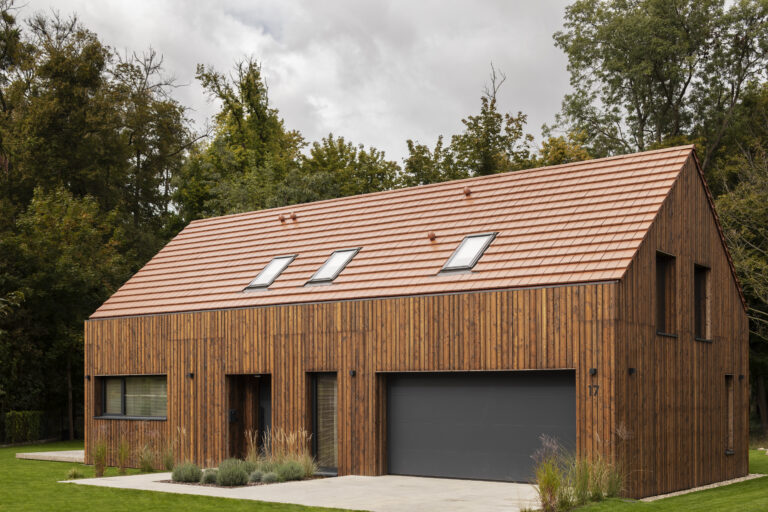
Japanese burnt wood, also known as Yakisugi or Shou Sugi Ban, is an ancient technique that has been rediscovered in the 21st century. What is the secret behind this technique that makes it a sustainable and desirable option for wooden façades and terraces?
An environmentally friendly process
The Yakisugi technique does not use chemicals in its process, making it an environmentally friendly option. Wood treated with this technique does not release harmful substances into the environment, and at the end of its useful life it can be recycled or disposed of without harming our environment. Obtenga más información sobre el proceso de producción.
Unmatched durability and strength
Japanese burnt wood is highly resistant to water, fire, insects and rot. It is exceptionally durable, with a lifespan of up to 100 years if properly maintained. This makes it a sustainable choice for façades and terraces, as it requires fewer replacements and repairs over time.
Sustainable timber in façade and terrace design
Wooden façades are an aesthetic and environmentally friendly option for buildings. Wooden terraces, on the other hand, provide a cosy and natural space to enjoy the outdoors. How does Japanese burnt wood fit into this sustainable design landscape?
Renewable materials and responsible sources
Wood is a renewable material, and Sustainable timber comes from responsible sources. that ensure reforestation and the preservation of ecosystems. Companies such as ZenWood, which specialise in the manufacture and installation of burnt wood, are committed to using spruce, pine and larch wood, which are durable and resistant.
Low maintenance and extended service life
Japanese burnt wood requires very little maintenance compared to other materials. Being resistant to water, fire, insects and rot, façades and terraces made from this wood have a much longer lifespan than those made from traditional wood.
The role of Japanese burnt wood in sustainable construction
Sustainable construction is an approach that seeks to minimise the environmental impact of buildings and promote energy efficiency.
- Energy efficiency and natural insulation. The insulating properties of wood are well known. Japanese burnt wood facades and terraces are not only aesthetically pleasing, but also help maintain the interior temperature of buildings, thus reducing energy consumption.
- Reduced material life cycle. The use of Japanese burnt wood on façades and terraces helps to reduce the life cycle of building materials. Thanks to its longevity and resistance, the need to replace or repair these elements is significantly reduced, minimising the demand for new materials and the generation of waste.
Japanese burnt wood and sustainable aesthetics
In addition to its sustainability and durability, Japanese burnt wood also offers a unique aesthetic design. With its characteristic texture and colour, it can add a touch of sophistication and elegance to any construction project.
Versatilidad en el diseño
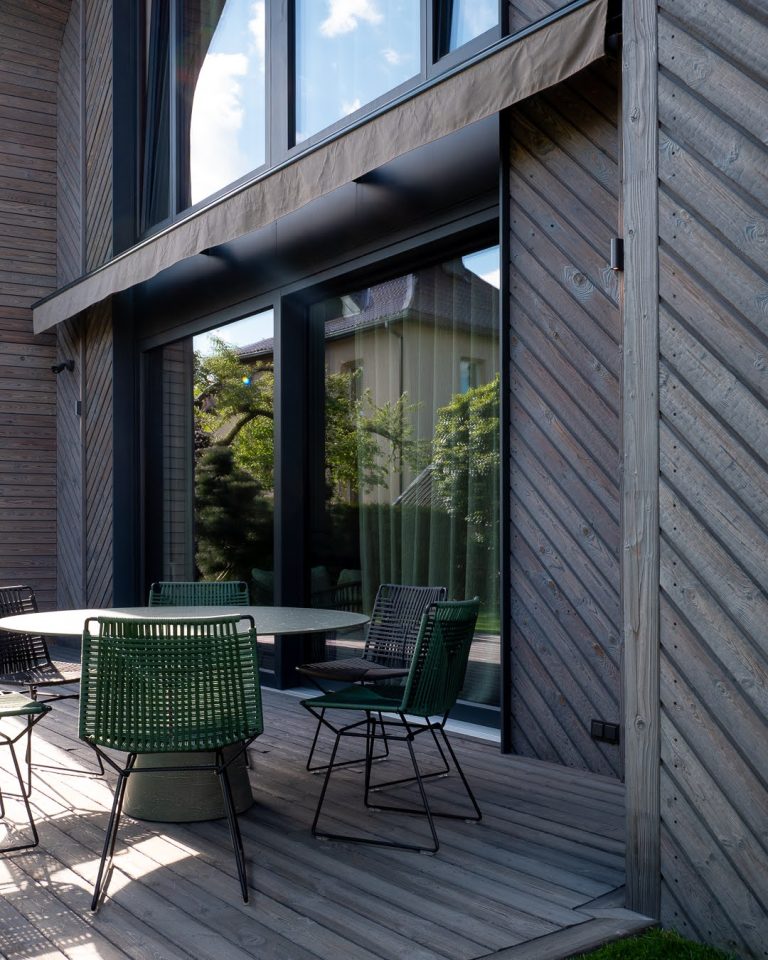
La Japanese burned wood is incredibly versatile and can adapt to any design style, from the most modern to the most traditional. It can be used on both facades and terraces, and its range of colors and textures offers endless customization possibilities.
Belleza atemporal
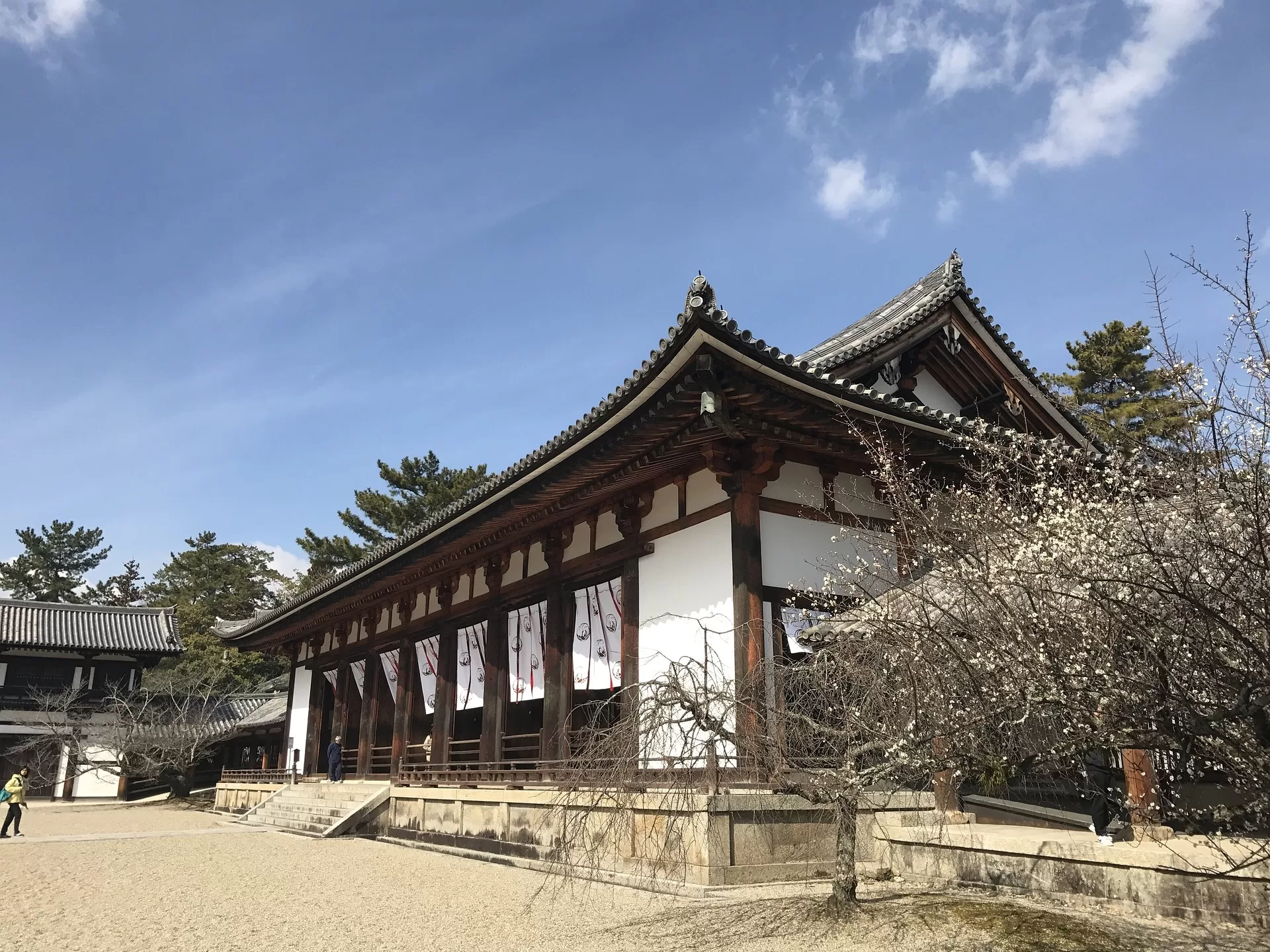
The beauty of Japanese wood burning is timeless. Although the Yakisugi technique is centuries old, its aesthetic remains relevant and desired in contemporary design. Additionally, as wood ages, it takes on a patina that adds even more character to its appearance.
Un compromiso con la sostenibilidad
At ZenWood, we are committed to producing and installing the highest quality Japanese burned wood. Our philosophy is based on respect for the environment and sustainability, and we strive to offer design solutions that are both beautiful and respectful of our planet.
We combine the ancient Japanese technique of Yakisugi with modern technology to produce the best high quality burned wood. We use high-tech machinery that allows us to produce a constant amount of wood in a short time, maintaining the quality and uniqueness of each piece.
As you can see, Japanese burned wood is a sustainable and durable solution for facades and terraces. Its eco-friendly production process, strength and durability, and unique aesthetic make it a desirable choice for any construction project. With companies like ZenWood, you can be sure that you are choosing a quality product that respects the environment and that will add value to your project for many years.