

Yakisugi Maintenance In Spain
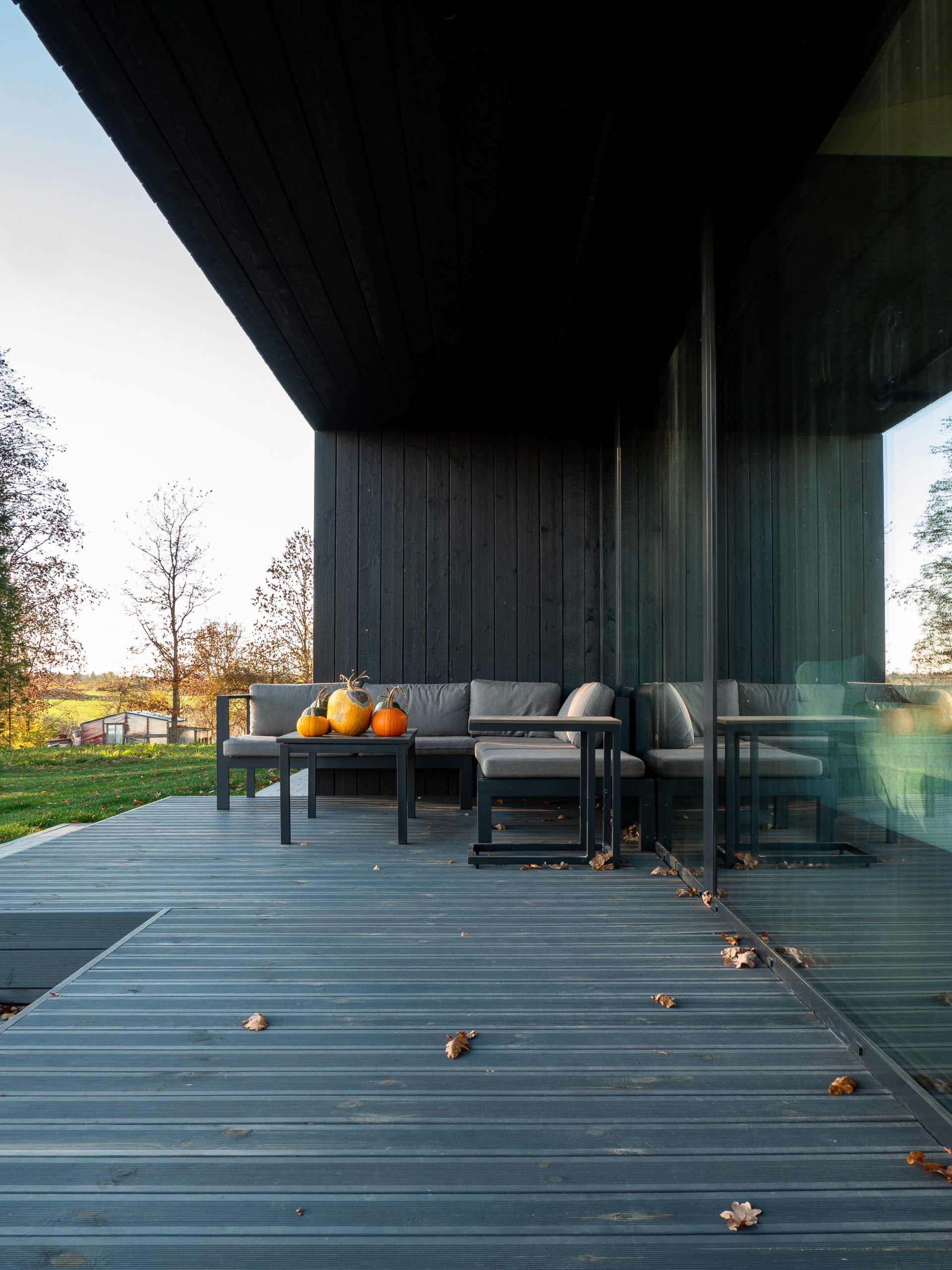
Yakisugi is wood and, like all exterior wood, it is exposed over time to sun, rain, moisture and even snow. Care consists of observing how these factors affect the surface and deciding when intervention is appropriate. The material does not require a complicated process, although it has particular characteristics worth understanding to preserve its appearance.
The finish
Why Carry Out Maintenance?
Yakisugi maintenance in Spain is intended to preserve the colour and appearance of a facade or cladding. It may not be required solely for colour, because without it the wood does not lose durability or resistance. It simply ages naturally towards grey tones. The choice is whether to preserve the original colour or allow time to add its own character.
Step by Step: How to Care for Charred Wood
Cleaning
Cleaning is straightforward. Remove dust with a soft brush or cloth and apply water. A neutral soap can be used if desired. Do not use high-pressure water, because it can damage the surface carbon layer. Chemical products are not necessary because Yakisugi is preserved naturally.
Re-oiling
Re-oiling with Yakisugi oil is recommended at intervals of 4 to 10 years, depending on orientation, weather exposure and finish. Ideally, work on a mild day without wind or direct sun, and only when the wood is completely dry.
Finishes and Maintenance
Within the range of finishes offered by Zenwood, Deep Char is considered maintenance-free thanks to its thick carbon layer, which provides maximum natural protection.
The finishes requiring only very occasional maintenance include Silk Char, Ebony, Dusk y Burnt Earth, finishes that retain their colour for many years and require only occasional intervention to refresh the tone.
Finally, some finishes such as Amber, White Ash, Lunar y Ruby are classified as requiring more regular aesthetic maintenance. Because they are lighter or more heavily brushed, they may need more frequent re-oiling to preserve the original tone, although they also age elegantly towards a natural grey if left untreated.
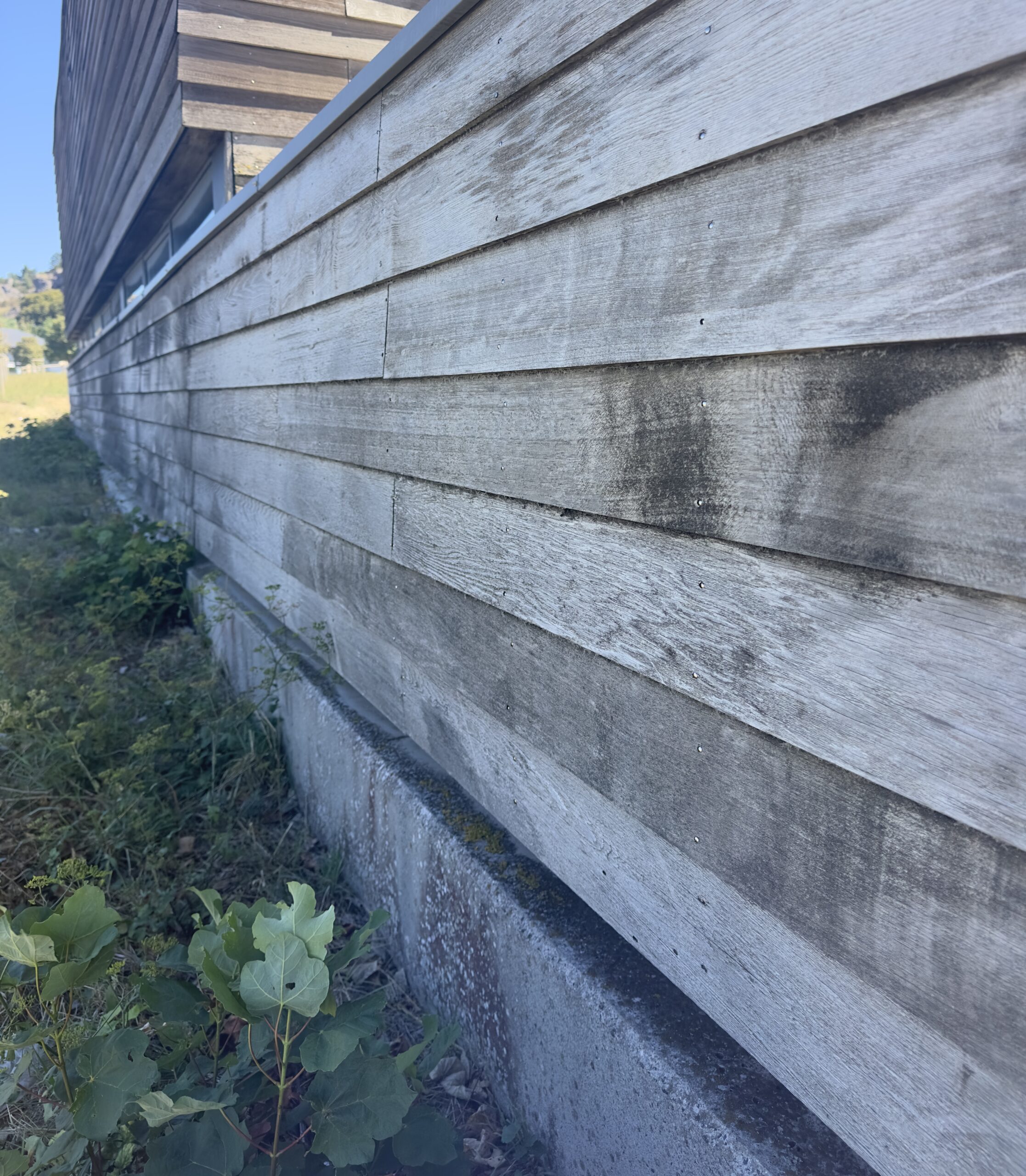
The finish Natural tends to age well and readily develops a uniform grey tone when not maintained with oil.
Long-Term Sustainability
Yakisugi can last between 50 and 100 years when correctly installed and maintained. One of its main advantages is that it reduces replacement needs and the frequency of intervention, lowering costs and environmental impact. Limited periodic care can significantly extend the wood’s service life and avoid unnecessary waste.
Japanese Origin and Tradition
The technique originated in Japan and protects wood naturally by charring its surface. In many Japanese buildings, Yakisugi is allowed to age without treatment, accepting the grey patina as part of its authenticity and beauty.
Yakisugi in Spain: Climate and Recommendations
Spain has a wide range of climates that directly influence Yakisugi maintenance. In the Mediterranean region, intense sun accelerates colour loss. On the northern coast, humidity and salt affect the surface more quickly. In mountain areas, snow and cold determine the pace of ageing. In all these conditions, the wood remains stable; what changes is the aesthetic decision to preserve colour through re-oiling or allow the material to develop its natural grey tone.
For facades, ensure good ventilation of the rear cavity and inspect annually for areas requiring attention. Terraces need more frequent cleaning because foot traffic and splashes affect colour sooner. On fences, edges and top surfaces lose intensity first, so oil should be applied locally as needed.
Conclusion
Yakisugi maintenance in Spain is simple, optional and focused only on appearance. Basic cleaning and re-oiling are easy tasks, but optional for colour retention. When carried out, they help preserve the original colour. If not, the wood retains its durability and naturally develops a uniform grey tone over time.
If you are an architect, builder or property owner and want to understand Yakisugi options, request the Zenwood catalogue and receive a kit gratuito de muestras to see the different finishes in person and select the most suitable one for your project.