

The Origins of Yakisugi
Yakisugi (焼杉), internationally recognized as Shou Sugi Ban, stands out as a traditional Japanese method that has preserved wood since the 18th century. This technique is closely linked to Japanese cedar (Cryptomeria japonica) or sugi, showing a deep connection to Japanese heritage and practices.
Historical Origins
-
- Era Edo (1603-1868): Yakisugi is believed to have been developed during the Edo Era, a period characterized by innovations in various construction and carpentry techniques. It was a time where aesthetics and functionality came together, leading to the development of methods that improved the appearance of wood and its physical properties.
-
- Wood Preservation: The method was originally adopted to protect wood against the elements, specifically moisture, insects and decay. Fire treatment creates a charred layer on the surface of the wood, which acts as a protective shield.
Method and Application
-
- Burning Process: The technique involves burning the surface of the wood until a charred layer forms. This is done using a torch or controlled fire method that burns the outer surface of the wood, without compromising its structural integrity.
-
- Protective effect: The resulting char effectively protects the wood against decay, insects and, paradoxically, fire. The char layer is water resistant, which prevents rot and fungal growth.
Cultural and Aesthetic Significance
-
- Wabi-sabi: The Yakisugi aesthetic is deeply rooted in the Japanese philosophy of wabi-sabi, which finds beauty in imperfection and impermanence. The charred surface of the wood reflects this appreciation for texture, color and impermanence, exhibiting a unique appearance.
-
- Adaptation and evolution: Although its initial use was primarily due to practical reasons, the technique has evolved over time to also incorporate aesthetic considerations. Contemporary architects and designers around the world have adopted Yakisugi for its visual uniqueness as well as its sustainability qualities.
Sustainability
-
- Environmental considerations:Today we value Yakisugi not only for its beauty and durability, but also for being an environmentally friendly option. The technique does not require preservative chemicals, making it a sustainable choice for coatings and other architectural uses.
Global Popularity
-
- International adoption: The technique has transcended its Japanese roots. It has gained popularity around the world, especially in architecture and design projects that value natural materials and sustainability. Yakisugi Carbonized Wood in Spain is increasingly accessible.
The Yakisugi technique is a testament to human ingenuity in harmony with nature. Its global adoption and adaptation reflect a growing appreciation for sustainability, natural beauty and materials that tell a rich and authentic story.
The Science Behind the Beauty
The Yakisugi technique, which involves the deliberate charring of the wood surface, is a fascinating process from both a scientific and practical perspective. This methodology transforms the aesthetics of wood and its physical properties, giving it a series of lasting benefits and singular beauty. Let's delve into the science behind this ancient technique:
Creating the Protective Layer
-
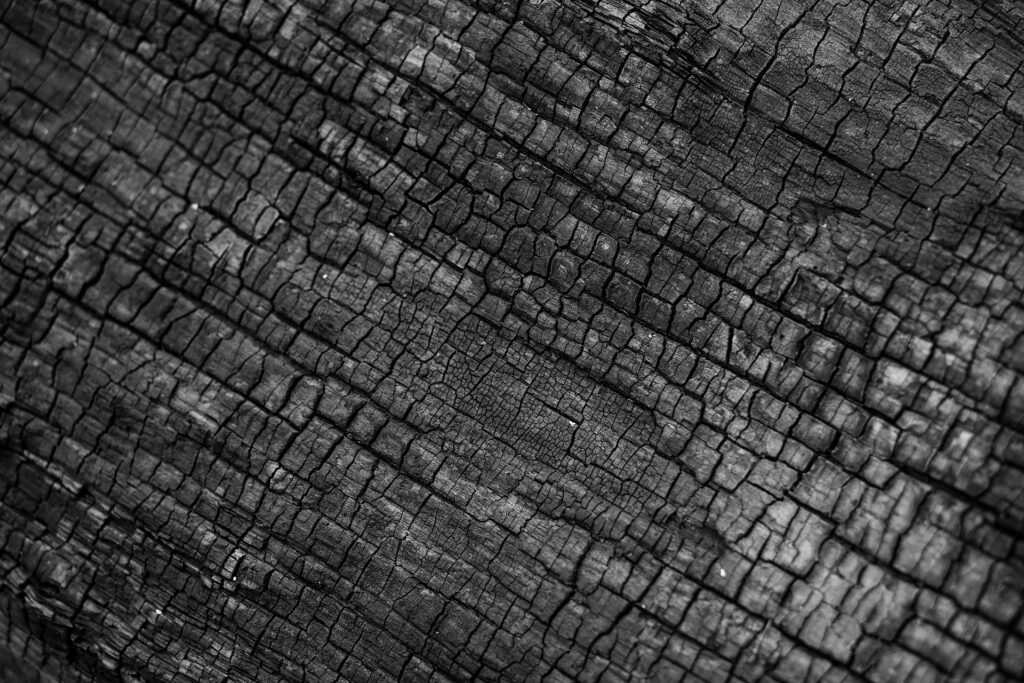
- Surface charring: The Yakisugi process involves intentionally burning the outer layer of the wood until it becomes charred. This carbonization does not penetrate deeply into the wood, but instead creates a carbon-rich black surface layer. This charred layer actively acts as a shield, providing the wood with several improvements in its protection.
-
- Water-repellent characteristics: The carbonized surface is hydrophobic, meaning it repels water. This significantly reduces moisture absorption by the wood, minimizing swelling, shrinkage, and the possibility of rot and fungal growth. Additionally, the char layer is less susceptible to combustion, providing improved fire resistance.
Improved Durability and Resistance
-
- Protection against pests: The charred layer actively repels insects and pests that usually feed on untreated wood. Insects tend to avoid Yakisugi-treated wood due to its charred surface, which is inhospitable to them.
-
- Extended service life: By altering the chemistry of the wood's surface, Yakisugi significantly increases its useful life. The charred layer protects the interior wood, keeping it in a more preserved state for extended periods, even in adverse environmental conditions.
Enhanced Appearance
-
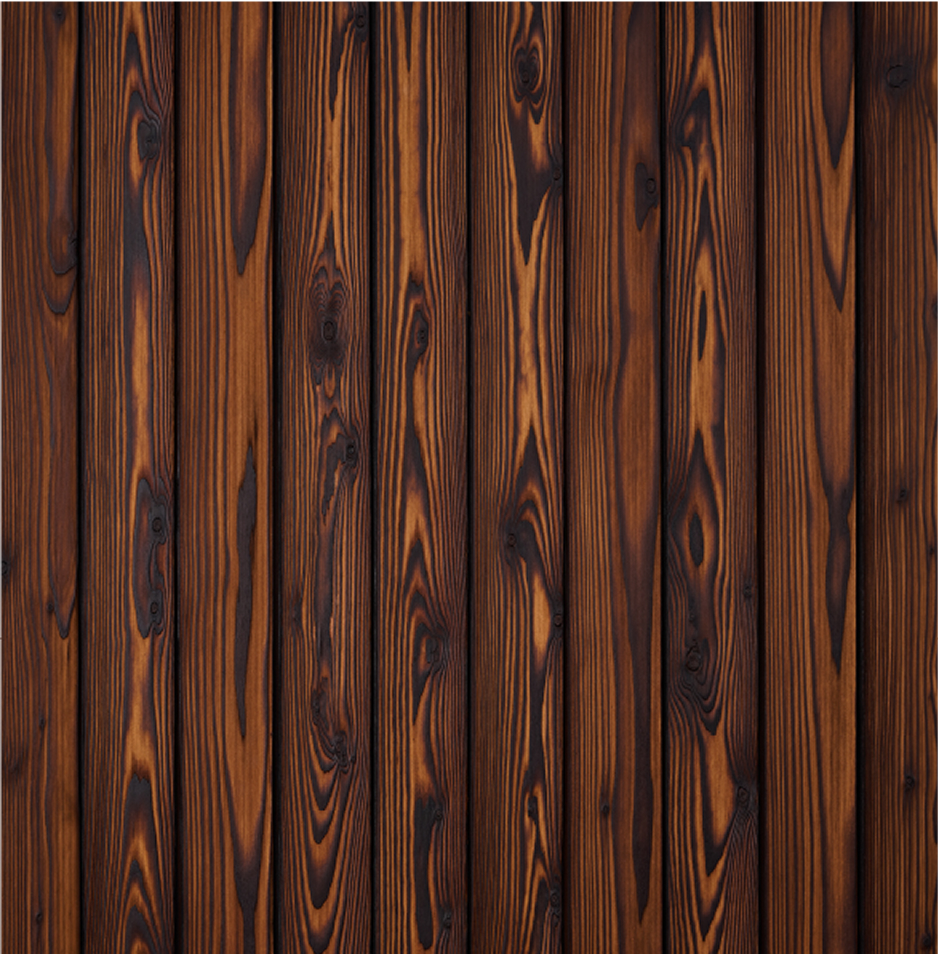
- Texture and colour: Careful burning strengthens the wood and enhances its texture and color. The process creates unique char patterns on the surface, giving each piece of wood a distinctive look. You can adjust the depth of the burn to vary the finish, from charcoal black to gray, depending on the intensity and duration of the fire you apply.
-
- Individual Character and Enduring Beauty: Carbonization enhances and preserves the natural variations of each piece of Yakisugi-treated wood, making it unique. This uniqueness provides aesthetic value, reflecting a deep connection with nature and providing a timeless beauty appreciated in various forms of contemporary design and architecture.
The science behind Yakisugi is a testament to how ancient techniques can have significant modern applications, offering sustainable and aesthetically appealing solutions for wood preservation, creating projects such as facades or burnt wood cladding. The combination of improved strength, durability, and unique beauty makes Yakisugi a valuable option in the world of sustainable design and construction.
Yakisugi Today
 Transcending its traditional role, Yakisugi today inspires architects and designers around the world and Yakisugi Carbonized Wood is found in Spain. Its modern applicability is a testament to its versatility, resonating with ancient wisdom while adapting to contemporary aesthetic and functional demands. Explore how Yakisugi Carbonized Wood in Spain continues to influence modern trends in sustainable design and innovative architecture.
Influence on Sustainable Design
-
- Environmental sustainability: In a world where sustainability has become an imperative, Yakisugi resonates strongly due to its eco-friendly approach. The technique does not require chemicals or synthetic treatments to preserve the wood, which is a significant advantage in sustainable construction and eco-friendly design. This natural method harnesses the power of fire to improve the longevity and strength of wood, reducing the need for maintenance and replacement.
-
- Reducing carbon impact: By extending the useful life of wood, Yakisugi contributes to the reduction of resource consumption and, therefore, to the reduction of the carbon footprint associated with the production and processing of new construction materials.
As for Spain, as in many other countries, contemporary architecture and design have been adopting sustainable and ecological techniques and materials, among which is Yakisugi burned wood. Although there is no specific data indicating when or to what extent Spain has adopted this carbonization technique, it is reasonable to assume that architects, designers and builders in the country are exploring and using Yakisugi, especially those who focus on sustainability, innovation and the unique aesthetics that this technique offers.
Applications in Innovative Architecture
-
- Visual versatility: Modern architects and designers embrace Yakisugi charred wood for its practical benefits and aesthetic versatility. The charred texture, depth of color, and unique patina this technique provides can complement a variety of architectural styles, from traditional to contemporary and minimalist.
-
- Integration with modern technologies: Despite its age, we can perfectly integrate the Yakisugi with modern construction technologies and innovative materials, creating design solutions that combine avant-garde and time-tested tradition.
Influence on Design Trends
-
- A focus on authenticity: There is a growing trend towards authenticity in design and architecture, with a renewed appreciation for materials that tell a story or have distinctive character. The Yakisugi offers, with its richly textured surface and its patina that evolves over time, an authentic expression highly valued in contemporary design.
-
- Adaptability and customisation: The technique allows for great adaptability and customization, as the degree of burning can be adjusted to create different finishes and effects, making it attractive for projects that require a personalized or unique touch.
In an era that values sustainability, Yakisugi emerges as a symbol of balance between environmental conservation and aesthetic innovation. This segment highlights how the technique supports the conscious use of resources, encouraging durability and reducing the need for maintenance, while offering a unique aesthetic that celebrates the natural imperfections of wood.
Intrigued by the beauty and resilience of Yakisugi? Do you want to explore how this technique can transform your spaces or projects? Discover more about our love of wood burning and how you can incorporate this timeless art into your world. ¡Contáctanos hoy to explore the infinite possibilities of Yakisugi Carbonized Wood in Spain.
The Yakisugi technique is more than a wood treatment method; It is a legacy that encapsulates centuries of innovation, beauty and respect for nature. By embracing this ancient tradition, we invite a piece of Japanese history and art to enrich our modern lives, allowing wood to not only tell a story, but also inspire future generations to create with consciousness, beauty and respect for the environment.
Follow us on social media for more insights on sustainable techniques and design innovations.
We supply Yakisugi Carbonized Wood in Spain.
@Zenwoodes