

Advantages of Yakisugi in Modern Architecture: Comparison of Materials for House Facades
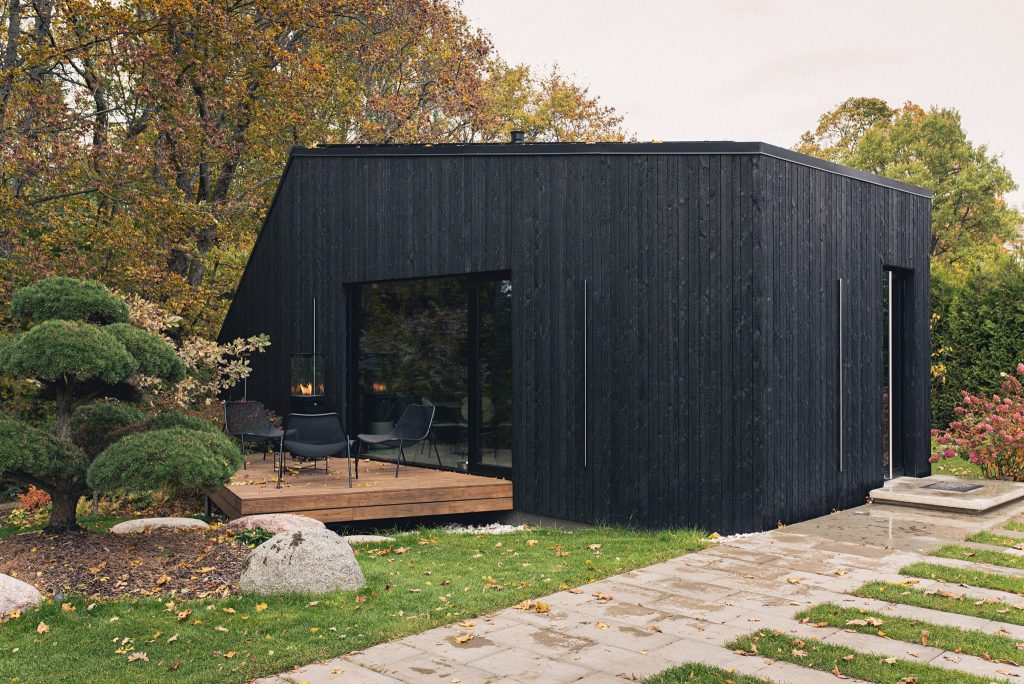
The facade of a house is a crucial element in architectural design, and choosing the right material can make all the difference. In this article, we will make a comparison of various materials used in house facades, and we will highlight the advantages of Yakisugi, an ancient Japanese technique, as an ideal option for modern architecture. If you are a carpenter, builder, architect, interior/exterior designer or landscaper, you will find this article especially relevant.
Introduction to Materials for House Facades
When considering materials for home facades, a wide variety of options are available, from brick and stone to metal and wood. Each material has unique characteristics and benefits, so it is important to carefully evaluate which one best suits the needs and style of each project.
An increasingly popular option in modern architecture is the Yakisugi, also known as Shou Sugi Ban. This ancient Japanese technique involves carbonizing wood, which gives it a series of exceptional advantages. Below, we will explore the reasons why Yakisugi is a prominent choice for modern home facades.
Yakisugi: A Distinctive Option for Modern Architecture
- Durability and Resistance
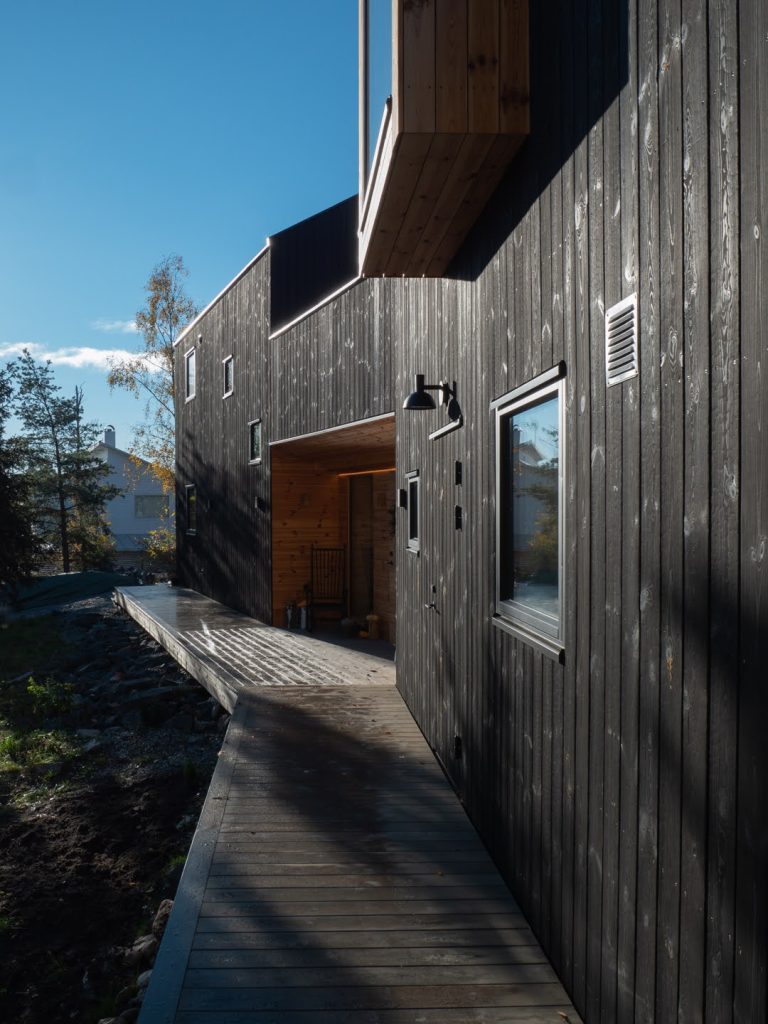
Wood treated with the Yakisugi technique becomes highly resistant to adverse environmental factors. Carbonizing wood creates a protective layer that makes it resistant to moisture, UV rays, insects and, surprisingly, even fire. This exceptional durability allows Yakisugi facades to maintain their beauty and functionality over time, making them a long-term investment.
- Distinctive Appearance
One of the most notable features of the Yakisugi is its unique and inimitable aesthetic appearance. The texture and dark color resulting from charring wood adds depth and character to any building. Yakisugi facades stand out from other options, providing a distinctive and sophisticated style to modern architecture. The natural beauty of burned wood has become a booming trend in contemporary design.
- Environmental Considerations
In a world increasingly aware of the importance of sustainability, Yakisugi stands out as an environmentally friendly option. This ancient Japanese technique does not require the use of chemicals, making it a safe and respectful option for human health and the environment. Additionally, burned wood can be recycled or disposed of without causing environmental damage at the end of its useful life, making it a responsible choice. Learn more about sustainable construction.
Maintenance and Cost of Materials
In addition to the advantages of Yakisugi, there are other important factors to consider when choosing a material for the facade of a house. Maintenance and cost are crucial aspects that can influence the final decision.
Maintenance When comparing different materials, it is important to consider the level of maintenance required. Some materials, such as brick and stone, are known for their durability and low maintenance, requiring no additional painting or sealing. In contrast, traditional wood may require a higher level of care and protection to preserve its long-term appearance and strength.
In the case of Yakisugi, although burnt wood is surprisingly strong and durable, regular cleaning with a soft cloth and occasional application of a finishing oil is recommended to maintain its appearance and protection. However, in general, Yakisugi is considered a low-maintenance material compared to other wood options.
Cost is another factor to consider when selecting a material for the facade of a house. Some materials, such as brick and vinyl siding, are typically more economical in terms of installation and long-term maintenance. On the other hand, natural wood and specialized materials, such as Yakisugi, tend to have a higher initial cost due to its exclusivity and treatment process.
While Yakisugi may have a higher initial price compared to some conventional materials, its long-term durability and unique aesthetic may offset this additional cost. Additionally, investing in a high-quality material like Yakisugi can increase the value and aesthetic appreciation of the property over time.
Conclusion
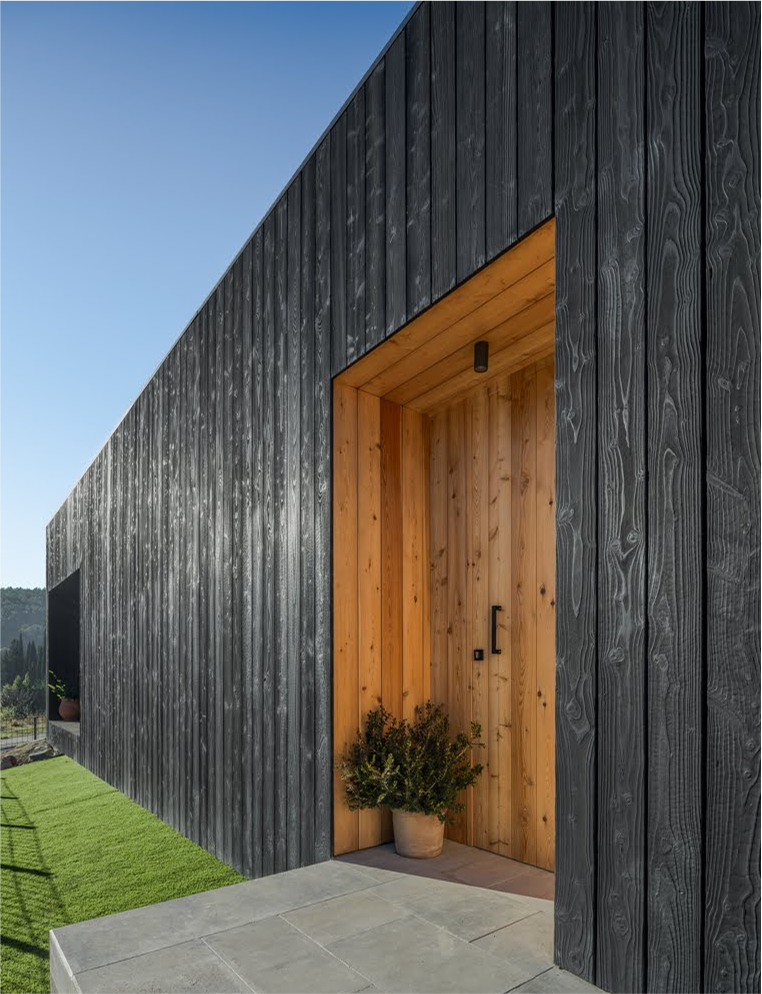
When comparing different materials for house facades, it is essential to evaluate the characteristics and advantages of each one. The Yakisugi stands out as an exceptional choice for modern architecture due to its durability, unique aesthetics, sustainability and versatility in design. If you are a carpenter, builder, architect, interior/exterior designer or landscaper, consider Yakisugi as an attractive option for your projects.
Remember to take into account aspects such as maintenance and cost to ensure you select the material that best suits your needs and budget. At the end of the day, the facade of a house must not only be visually attractive, but also strong and durable, and the Yakisugi meets all these requirements.
At Zenwood, we are committed to the quality and sustainability of Yakisugi and other burned wood products. Our team of experts is available to provide you with personalized advice and help you take your projects to the next level. Contact us to learn more about the benefits of Yakisugi and how it can transform your architectural designs.
For more information on how to use Shou Sugi Ban wood in your architectural projects, we invite you to request a quote personalized on our website, Zenwood.es. Our team of wood burning experts will be happy to advise you and provide you with options tailored to your specific needs. In addition to being an excellent option for house facades, Shou Sugi Ban wood is also ideal for the construction of fences and terraces, providing durability, unique aesthetics and sustainability. Take advantage of all the advantages that this ancient Japanese technique has to offer and transform your projects into masterpieces of modern architecture. Contact us today!
Esperamos que este artículo haya sido informativo y te haya brindado