Prefabricated houses: the boom that is transforming housing in Spain (and why the Yakisugi finish makes the difference)
Prefabricated wooden houses in Spain are experiencing one of their best moments.
Demand has increased more than 50% in recent years, consolidating itself as an increasingly popular alternative to traditional construction.
The combination of more affordable prices, reduced construction times, energy efficiency and sustainable design is driving thousands of people to opt for this housing model.
But also, the incorporation of innovative finishes such as Yakisugi is raising the aesthetic and functional level of new wooden constructions.
The prefabricated housing market has experienced spectacular growth due to several factors that directly respond to the current needs of buyers.
The constant increase in housing prices has led many homeowners to look for cheaper alternatives. Currently it is possible to find prefabricated houses from 24,000 euros, as well as fully equipped and furnished models from 55,000 euros.
This difference in cost makes modular homes a particularly attractive option for those looking for a first residence, a second home or even a profitable real estate investment.
One of the main advantages of modular houses is the speed of execution.
Thanks to industrialized processes, a home can be finished in just 3 or 4 months, significantly reducing the usual times of conventional construction.
This speed allows you to better plan the project, minimize delays and optimize the investment from the first moment.
Modern sustainable prefabricated houses have left behind the old prejudices associated with this type of construction.
They can now offer high quality standards, strong thermal performance and low operational energy use, depending on the design and specification.
Furthermore, the wood used for the cladding of these homes comes from responsibly managed forests (as is the case of Zenwood), contributing to a more environmentally friendly construction.
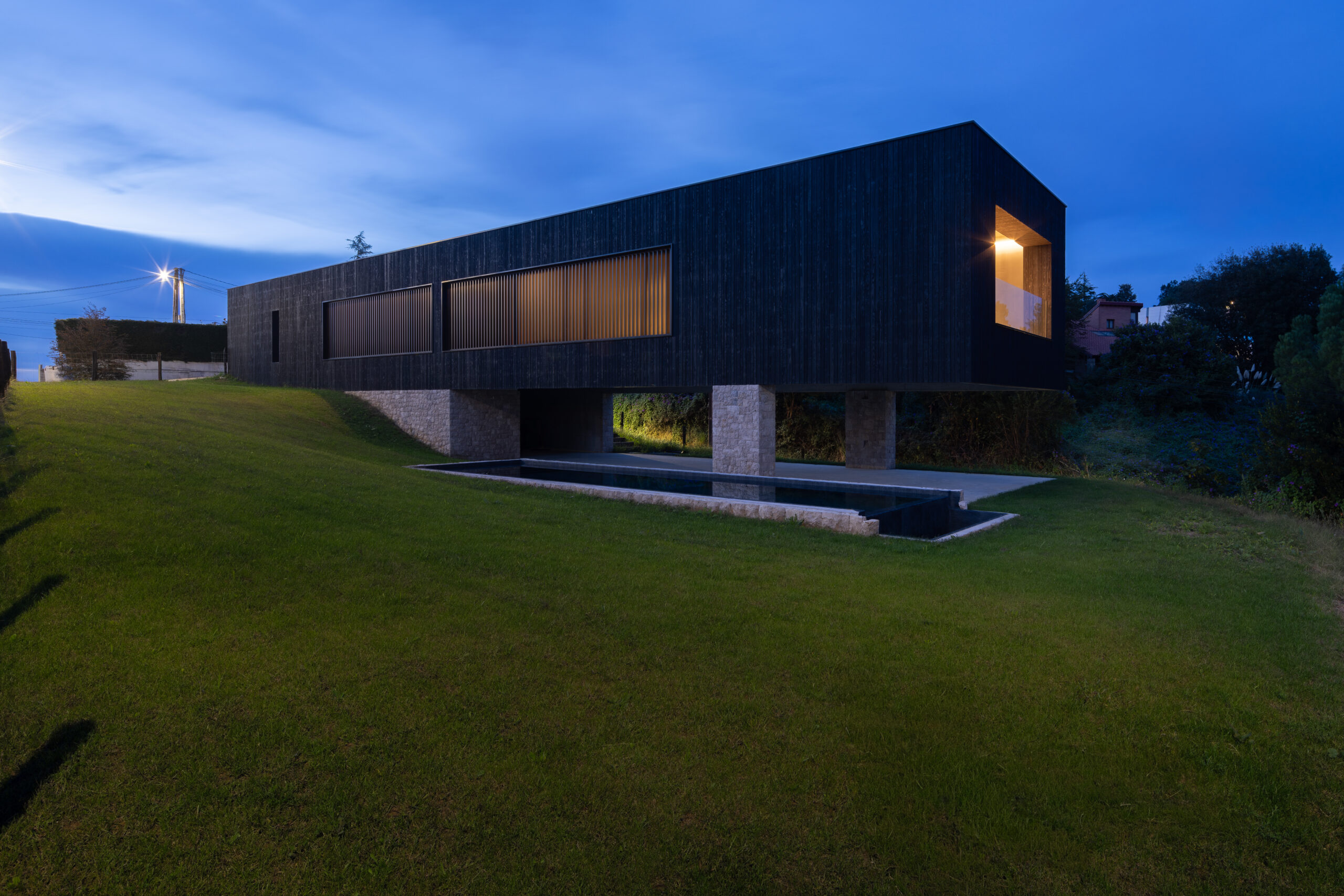
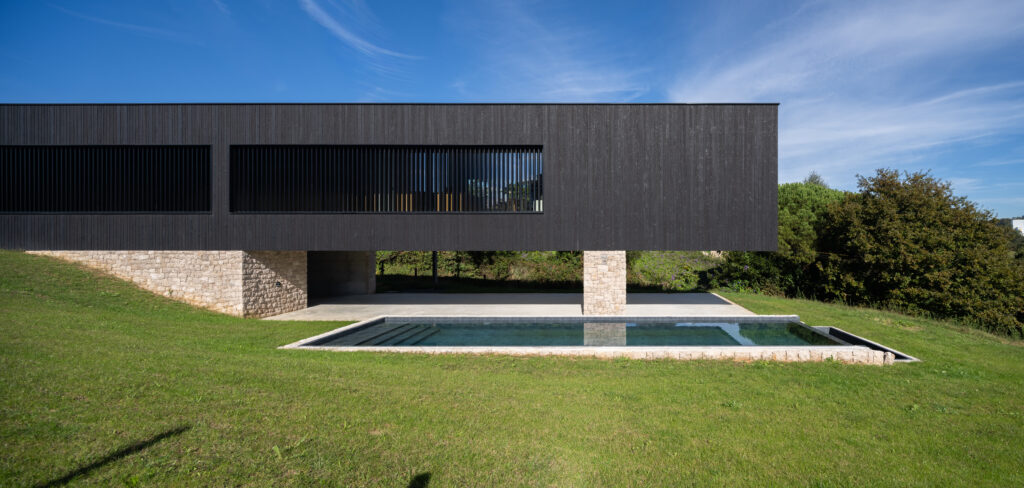
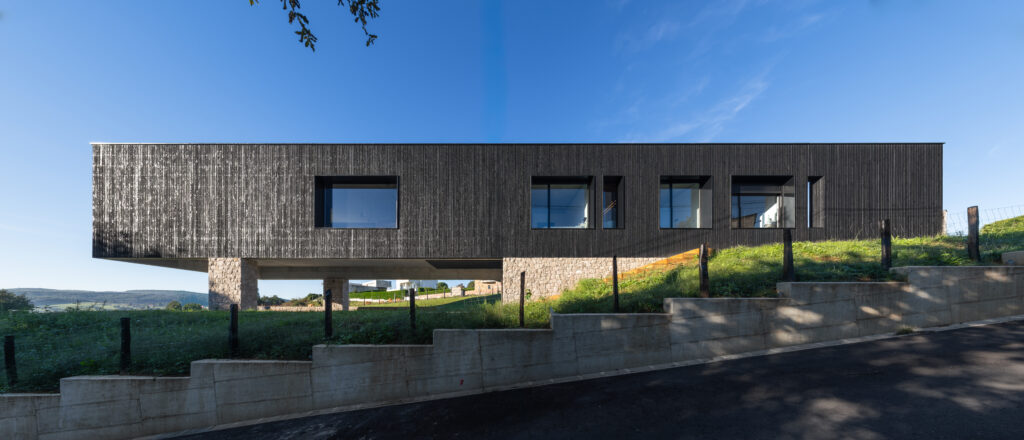
Among the most notable trends in sustainable architecture, the Yakisugi finish for wooden facades stands out, a centuries-old Japanese technique that combines beauty, resistance and sustainability.
More and more architects and manufacturers are incorporating this treatment in modular housing projects thanks to the multiple advantages it offers.
In addition to its spectacular visual appearance, it has become one of the most valued solutions for exterior wood cladding, as it helps prolong the useful life of the exterior cladding and requires less or no maintenance, one of the benefits most appreciated by homeowners.
Hence, prefabricated houses and Yakisugi are a perfect combination for the future.
Prefabricated homes are already a consolidated reality. And when they incorporate Yakisugi coverings, they become unique spaces capable of combining innovation, design and respect for nature.
Are you considering building a prefabricated home?
Let's talk.
Zenwood