

A NEW WAY TO UNDERSTAND ITS VALUE
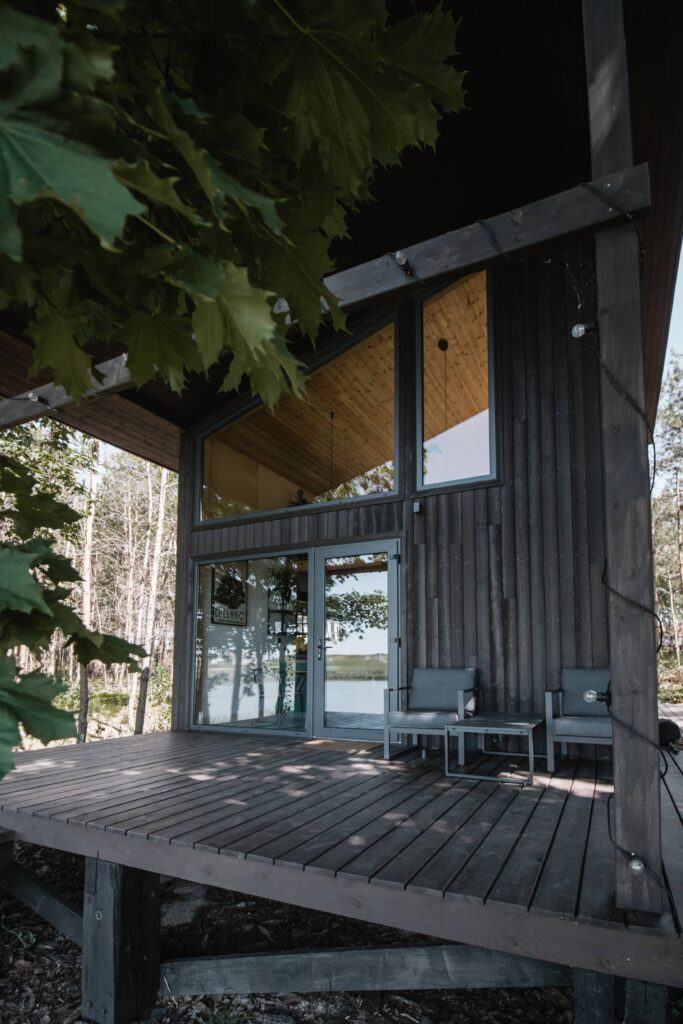
Yakisugi has a presence that catches the eye.
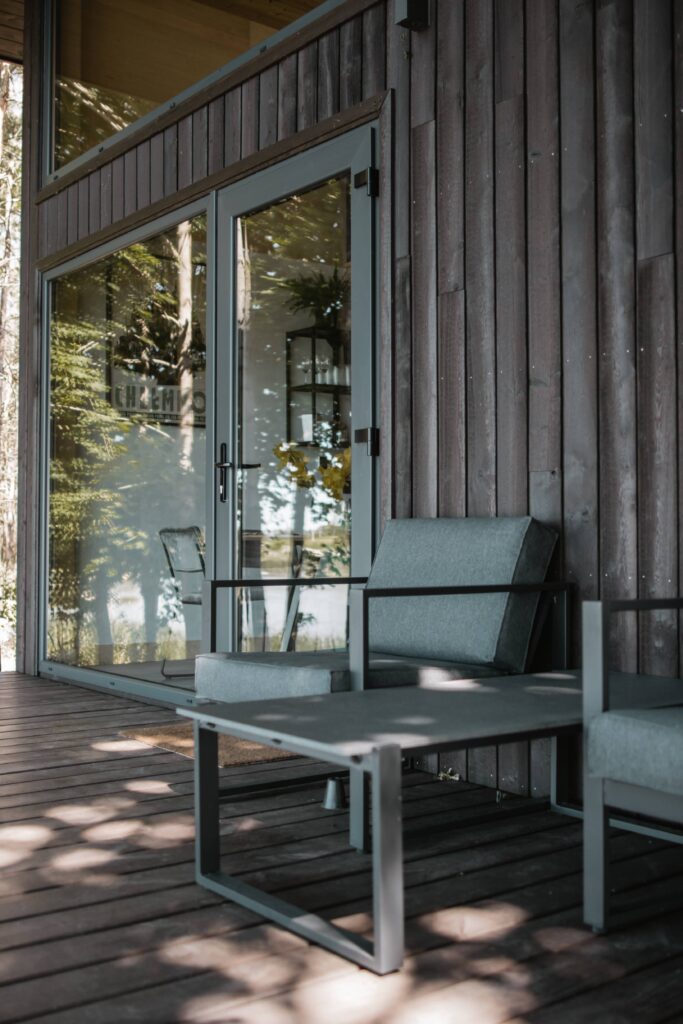
Its black surface, subtle carbon sheen and texture bearing the trace of fire leave few people indifferent. The wood speaks for itself, balancing tradition, technique and beauty.
Yet one question always follows the initial impression:
‘But how much does it cost?’
Many people associate Yakisugi with luxury, which creates the impression that it is an expensive option. A closer look shows that its value is not measured by initial price alone, but by what it provides over time: weather resistance, low maintenance and an aesthetic that improves with age.
More than an expense, Yakisugi is a long-term investment for projects seeking materials that retain their character for decades.
This article explains why Yakisugi is not as costly as it may appear and how it can be one of the most cost-effective and responsible options for exterior and interior cladding.
1. Precio o valor: dos formas de mirar el mismo material
When selecting material for a facade or terrace, most people first look at the figure in the quotation.
Price per square metre says little without considering what follows: service life, maintenance needs and how the material ages.
A material that is inexpensive initially can become more costly over time if it needs frequent repairs, repainting or replacement.
By contrast, a material with a higher initial cost but a long service life and low maintenance can prove far more economical.
Yakisugi belongs in this second category.
Its durability can exceed five decades, while the charred surface protects it from moisture, insects and sun without constant treatment.
When the maintenance costs of other materials are included, Yakisugi is more economically efficient than many cheaper alternatives.
2. A material defined by expertise, not price
The value of Yakisugi lies not in the cost of fire, but in the expertise of those who produce it.
Each board goes through a controlled process—charring, brushing and oiling—that requires precision, patience and deep knowledge of wood.
Por eso, su precio refleja:
- The quality of raw material sourced from responsibly managed forests.
- Specialist workmanship that ensures uniform charring without damaging the internal structure.
- Finishing standards that make it ready for installation without subsequent treatment.
Compared with premium timbers or high-end architectural cladding, Yakisugi is competitive and coherent, combining aesthetics, durability and responsible material qualities in one product.
3. Why many people think it is expensive
The idea that Yakisugi is a “luxury” material comes from two common misconceptions:
- Supplier type: a distributor with high overheads may inflate the final price, while a specialist producer maintains a more accurate balance between price and value.
- Incorrect comparisons: it is often compared with industrial materials such as vinyl, when it actually competes with premium woods and durable architectural cladding.
Yakisugi is not inherently expensive; it belongs to a different material category, selected for its history, performance and environmental coherence.
4. The strength of durability
Time is Yakisugi’s strongest argument.
A correctly installed facade can remain in excellent condition for more than half a century without varnish or paint.
Its charred layer acts as a natural barrier against water, fire and insects, resulting in less maintenance and lower cost.
While other materials lose colour, deform or require periodic repainting, Yakisugi retains its character and ages gracefully.
Over time, this performance brings savings not only in money, but also in time and worry.
5. Comparativa de precios a largo plazo
To illustrate this, here is an estimate of how the cost of different materials develops over 50 years:
Material | Coste inicial (€/m2) | Maintenance | Vida útil estimada | Coste total a 50 años |
Vinilo | 40-70 € | Medio (reparaciones, decoloración) | 20-25 años | 120-200 € |
Fibrocemento | 70-120 € | Medio (repintado 2-3 veces) | 30-35 años | 150-200 € |
Cedro local | 60-100 € | Alto (barnizado cada 5-7 años) | 25-30 años | 200-250 € |
Compuesto premium | 80-150 € | Bajo (aspecto industrial) | 40-50 años | 100-180 € |
Yakisugi Zenwood | 40-100 € | Minimo o nulo | 50+ años | 40-100 € |
Conclusion: although Yakisugi may seem more expensive initially, its total cost is among the lowest because of its resistance, durability and very limited maintenance.
6. Added value: appearance and property appeal
Yakisugi does more than perform well: it can increase property value.
A charred-wood facade communicates exclusivity, design quality and sustainability—three factors that improve perception of a building and may support a faster sale or higher price.
A buyer of a home with Yakisugi also knows that maintenance demands will be limited for decades, bringing reassurance and confidence.
7. Sustainability: value beyond time
Yakisugi is also a responsible choice.
Its production process generates minimal waste, uses clean energy and makes use of wood by-products to produce heat or energy.
Its long life also reduces the environmental impact of frequent replacement and chemical treatments.
Its sustainability is not a slogan, but a natural consequence of long service life and low maintenance.
8. Conclusion: more than a material, a smart decision
Yakisugi may appear costly compared with short-lived materials, but it belongs in another category.
It combines beauty, performance and sustainability in a way few cladding materials can match.
Viewed over time—considering maintenance savings, durability, stability and potential property value—it is not simply an expense but a lasting investment.
At Zenwood, we believe materials that respect nature and withstand time are not expensive: they are valuable.
To find out how Yakisugi can suit your project, ask us for samples o tailored technical advice.
Source:
Inspired by the article ‘Is Yakisugi Really Expensive? Understanding Cost, Value, and Longevity’ (freely adapted by Zenwood.es).