

Selecting the right exterior material is essential to safeguard your home or protect yourself from Europe's unpredictable weather conditions. From rainy coasts to snowy mountains and windy plains, buildings across the continent face tough environmental challenges. This is where Exterior wooden cladding shines with its own light. Not only is it beautiful and modern, but it also performs exceptionally well in extreme weather conditions.
1. Managing moisture
Germany and the United Kingdom, along with northern Spain, are some of the wettest areas in Europe. Traditional materials tend to absorb moisture, causing rot, mold, and long-term damage. However, it is the carbonization process that seals the wood and makes it waterproof, which translates into less maintenance without constant humidity.
2. Addressing cold and snow
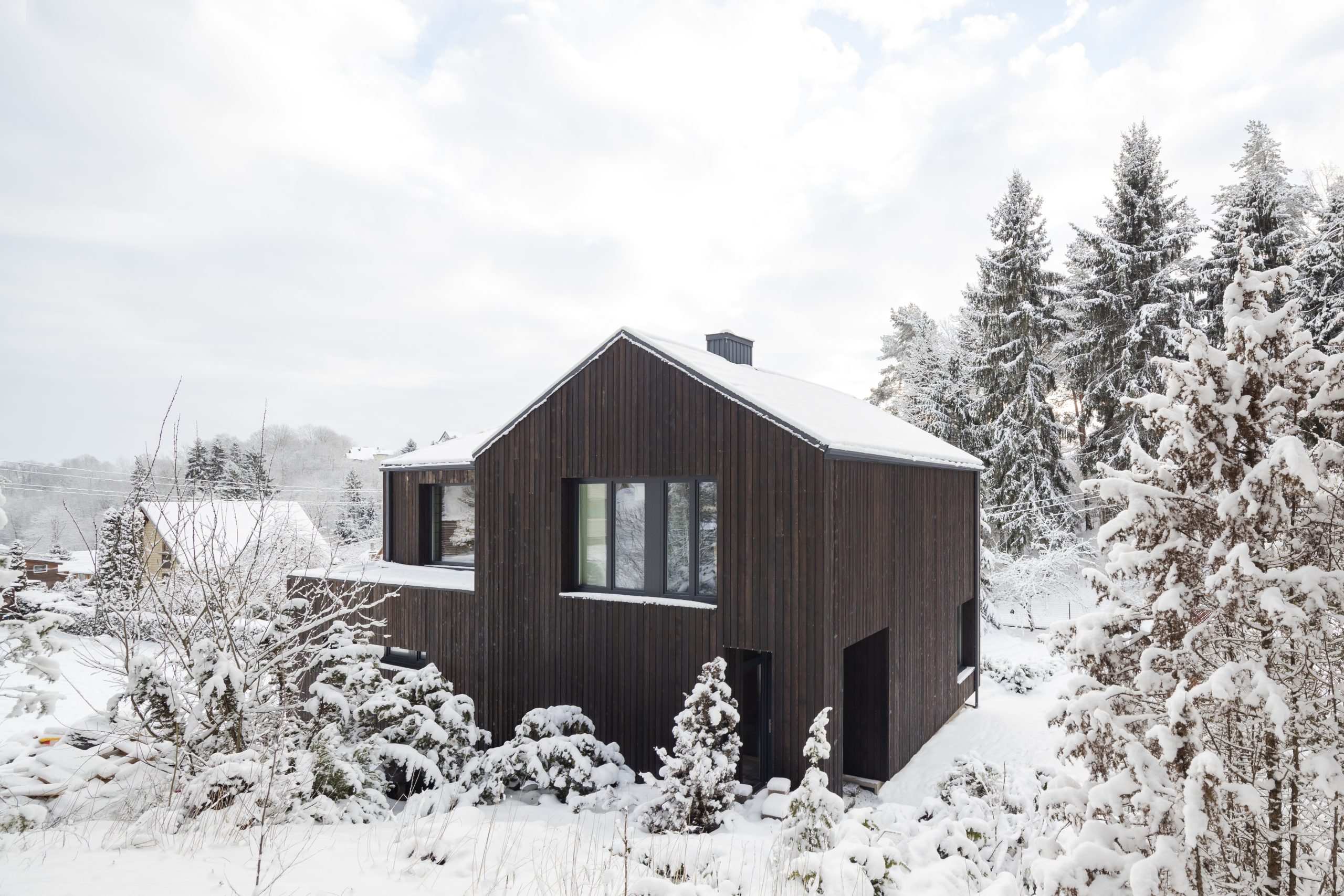
The exterior wood cladding has natural insulating properties, retaining heat and blocking the cold. The treated or burned wood, which forms the facade, does not splinter or rot from melting snow or ice, making it durable.
3. UV resistance for sunny southern Europe
We must not forget the southern regions of Italy, Greece and southern Spain, which receive abundant sunlight throughout the year. UV radiation from the sun causes many materials to bleach, fade or weaken. However, the Exterior wood cladding, especially with oils or natural finishes, does not deteriorate from such exposure. Unlike untreated alternatives, it retains its deep tones and smooth texture.
4. Wind? Design for it
The coastal and high-altitude regions of Europe experience strong gusts of wind. The expansion of these winds and their long duration can shake or even damage the coating over time. Wooden exterior cladding systems are usually equipped with robust interlocking brackets and profiles, making them highly wind resistant. The Spanish Basque Country and the Scottish Highlands are ideal places for these homes.
5. Natural thermal properties
In passive houses, wood is an ecological and efficient option for insulation, as it maintains stable temperatures within the structure, trapping heat in winter and preventing heat from entering in summer. Essential for homeowners who want to reduce energy costs.
6. Low maintenance options
A big mistake is believing that a wooden exterior requires a lot of maintenance. This is certainly the case when it comes to untreated softwoods. However, burned or pre-treated wood like Zenwood solutions requires very little maintenance. It naturally resists decay, insects, and weathering, meaning you won't have to repaint or seal it every year.
7. A distinctive architectural appearance
The wood cladding on the exterior offers an aesthetic piece that enhances the appreciation of architecture as it complements mountain towns, modern cities and coastal towns. It adds character without looking overdone, and fits perfectly into the modern minimalist trend sweeping Europe.
Final thoughts:
No matter which European country you visit, their climates share a common denominator: diversity. Even with these climatic variations, wood remains an ideal choice for outdoors because it is strong, durable and timelessly complements any structure, giving it a feeling of warmth.
If you are considering cladding that balances practical performance with a refined appearance, Zenwood offers high quality burned wood finishes perfect for your project.