The Best Wood for Shou Sugi Ban
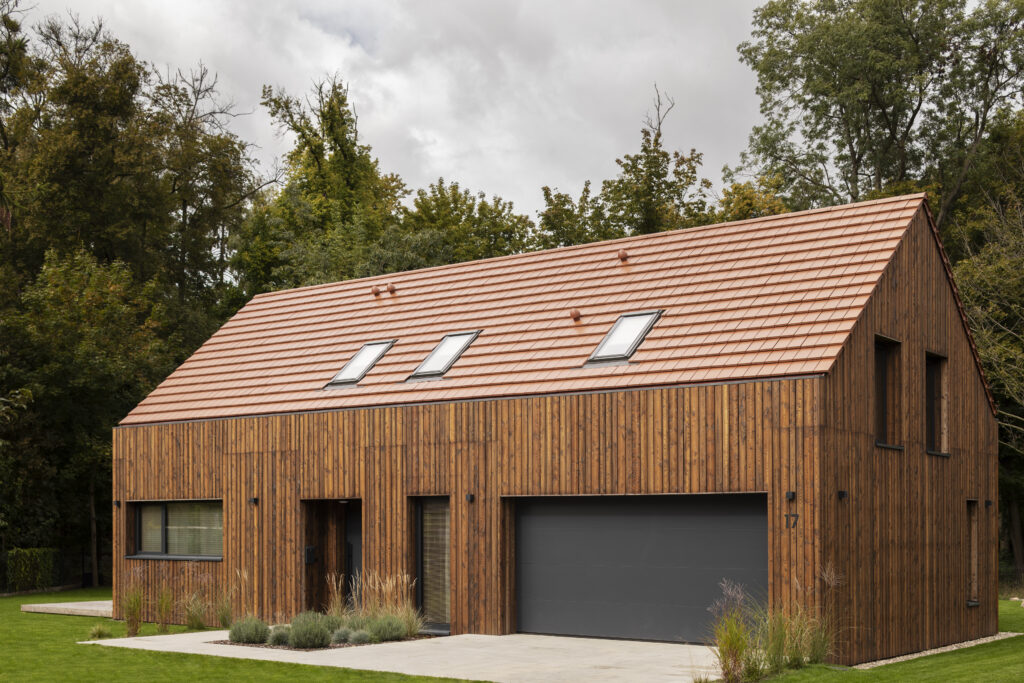
Choosing the best wood for Shou Sugi Ban isn't just a matter of aesthetics: some species withstand the weather much better than others.

Choosing the best wood for Shou Sugi Ban isn't just a matter of aesthetics: some species withstand the weather much better than others.
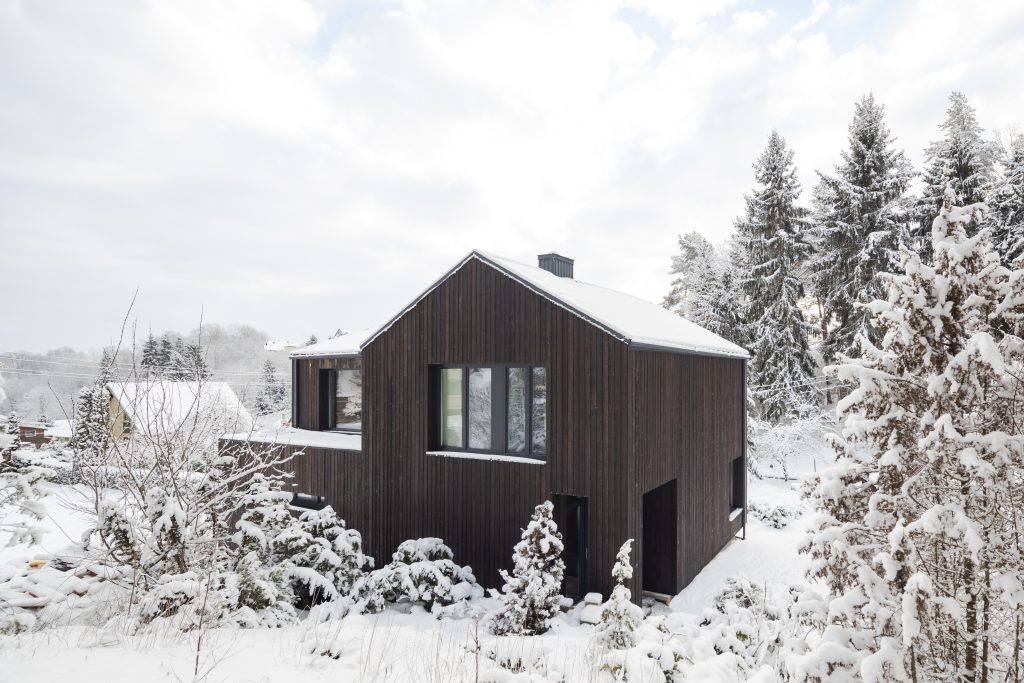
In the harsh winters of the European Union, the right wood cladding makes all the difference. With techniques like Yakisugi, charred wood offers moisture resistance, improved thermal insulation, and reduced maintenance—allowing facades, terraces, and interiors to remain beautiful and functional even in extreme weather.
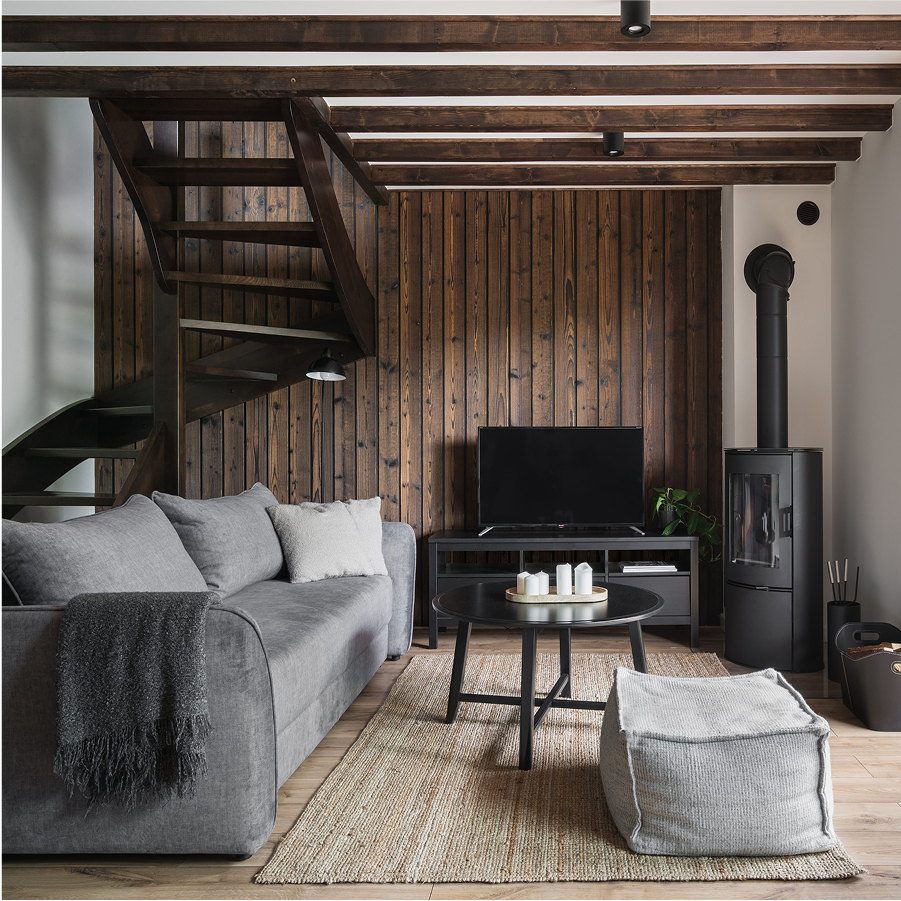
Shou Sugi Ban, the Japanese technique of charring wood, has taken modern and rustic interior design by storm. From walls and ceilings to furniture and kitchens, this timeless aesthetic brings elegance, durability, and a unique, handcrafted touch to any space.
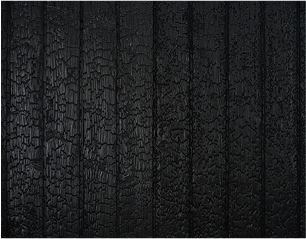
The art of Yakisugi is an ancient Japanese technique that transforms wood with fire to make it stronger, more durable, and visually unique. From its roots in the Edo Era to its current expansion in Spain, this tradition combines sustainability, wabi-sabi aesthetics, and natural protection, becoming an increasingly valued option in contemporary architecture and design.